Plano, TX · Serving the HPI worldwide since 1997
information@amtintl.com ☎ (972) 378-0700

Leader in Advanced Mass Transfer Technology

Maximize Column
Efficiency.
Engineered for HPI.

AMT International designs and supplies high-capacity distillation trays, tower internals, packing, and reactor internals for petroleum refining, petrochemical, and chemical plants worldwide — backed by 149 patents and nearly 200 years of combined engineering experience.

Request a Technical Consultation

We respond within 1–2 business days. No sales pitch — just engineering.

149
U.S. & Foreign Patents
10,000+
Commercial Installations
200+
Years Combined Experience
6
Continents Served

Trusted by Leading HPI Companies Worldwide

Sinopec · PetroChina · CNOOC · BP · BASF · NOVA Chemicals · Indorama Ventures · EQUATE · Petronor · CEPSA · PETRONAS · Formosa Plastics

View All Major Clients →

Industries We Serve

Solutions Tailored to Your Process

Whether you're debottlenecking an existing column or specifying internals for a grassroots installation, AMT brings industry-specific expertise and proven technology to every engagement.

Petroleum Refining

Crude distillation, vacuum columns, FCC main fractionators, LPG recovery, and hydroprocessing separators.

View refining solutions

Petrochemical

PTA / acetic acid, BTX recovery, pygas processing, ethylene fractionation, EDC units, and extraction distillation.

View petrochemical solutions

Gas Processing

Amine treating, glycol dehydration, C3 splitters, deethanizers, demethanizers, and NGL fractionation.

View gas processing solutions

Specialty Chemical

Extractive distillation, solvent recovery, fine chemical separation, and custom process technology development.

View chemical solutions

Mass Transfer Products

High-Performance Separation Equipment

Every product engineered with 3D modeling, FEA, and CFD simulation — eliminating design errors before they reach the shop floor.
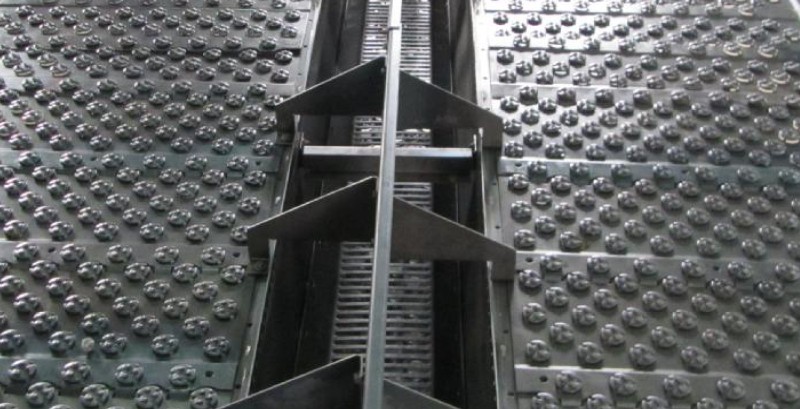
Flagship ADV® Pinnacle Performance Trays

ADV® Pinnacle Performance Trays

AMT's proprietary high-capacity, high-efficiency tray technology — applied in 10,000+ commercial installations across six continents.
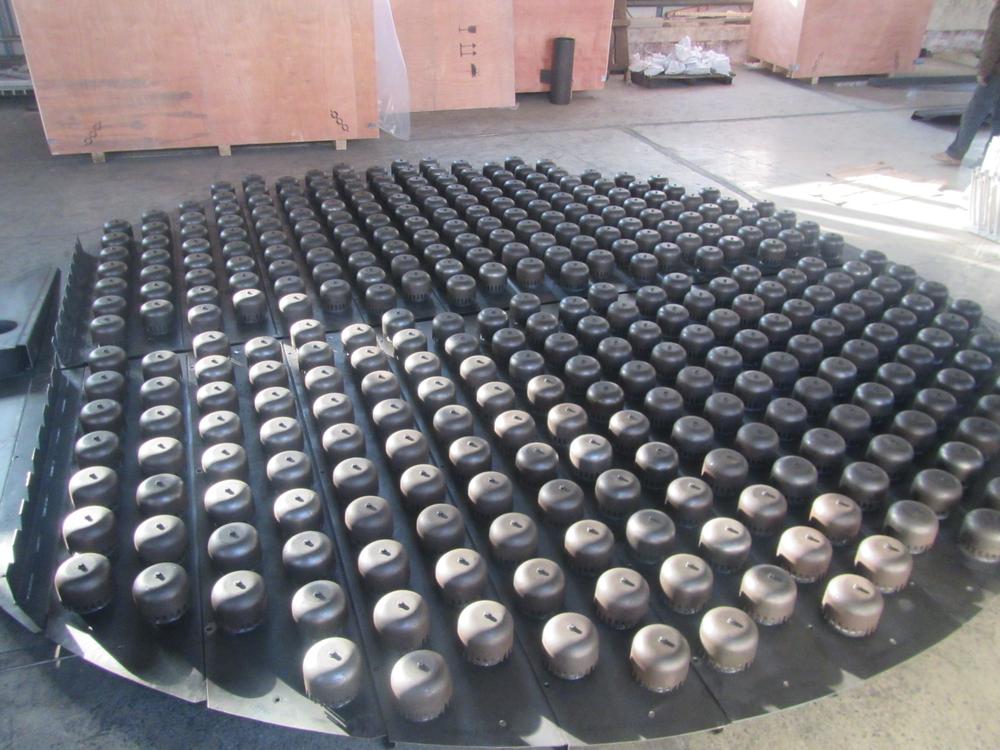
700–10,000mm dia.Vacuum to high pressureUp to 6-pass
Learn more
Trays Conventional Trays

Conventional Trays

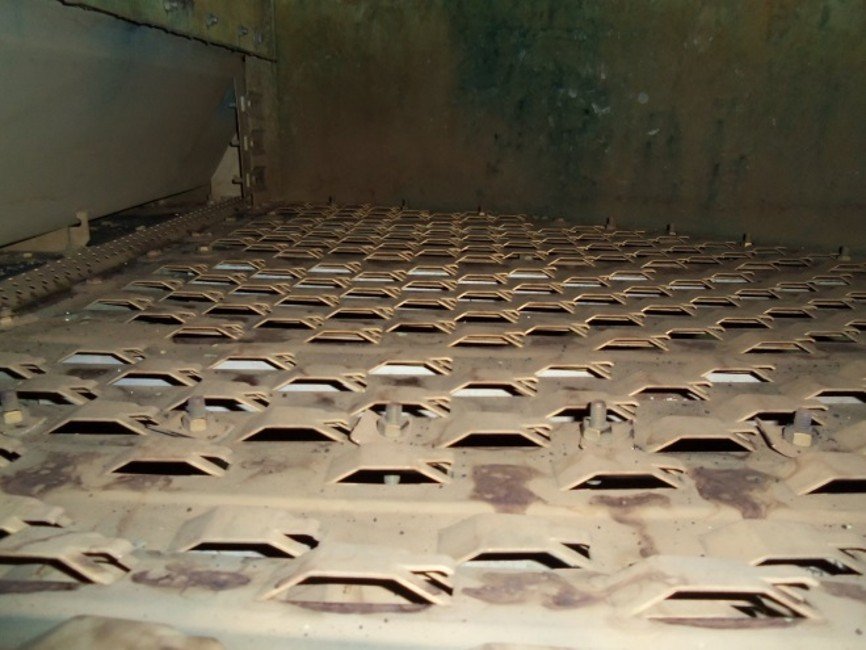
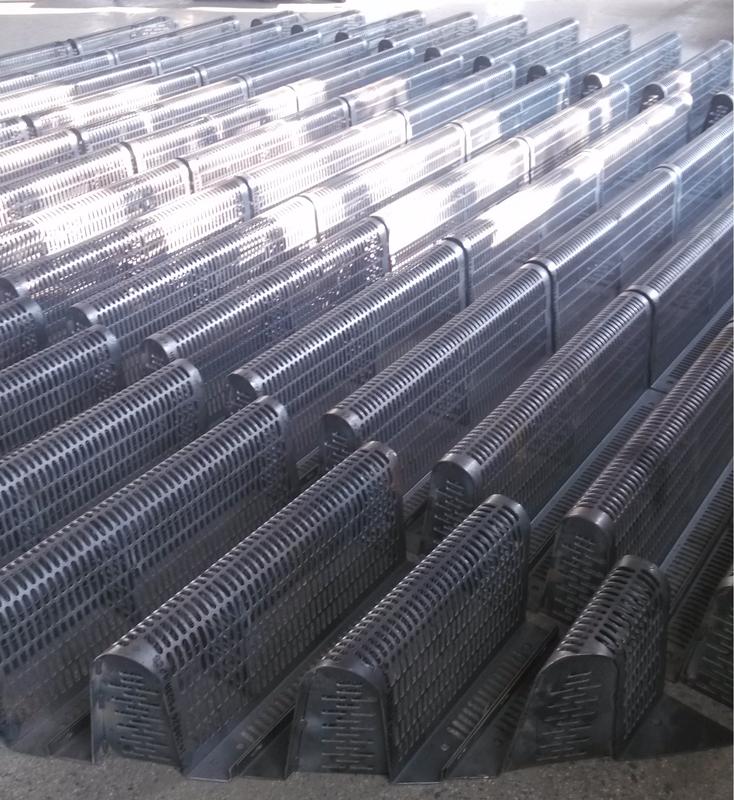
Sieve, valve, and bubble-cap trays for cost-sensitive applications where standard efficiency is sufficient, engineered to AMT's rigorous mechanical standards.
All diametersMulti-pass
Learn more
Packing Structured, Random & Grid Packing

Structured, Random & Grid Packing

Full range of packing solutions — from high-efficiency structured packing to fouling-tolerant grid and random packing for demanding services.

All servicesFouling-tolerant
Learn more
Internals High-Performance Tower Internals

High-Performance Tower Internals

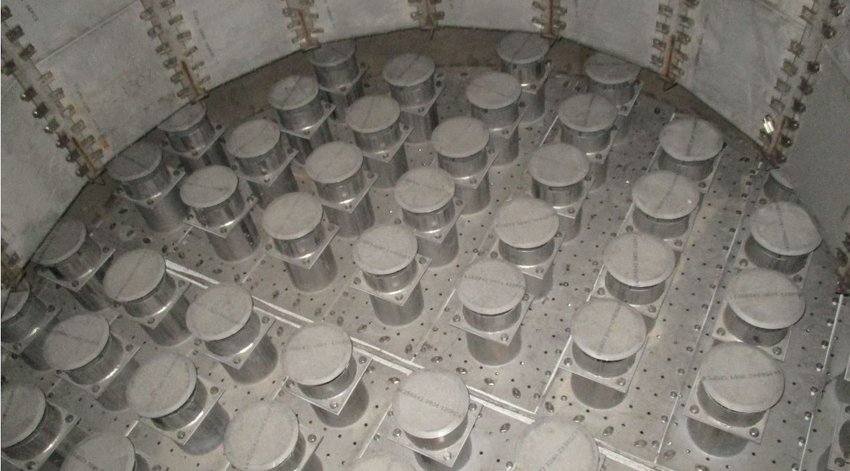
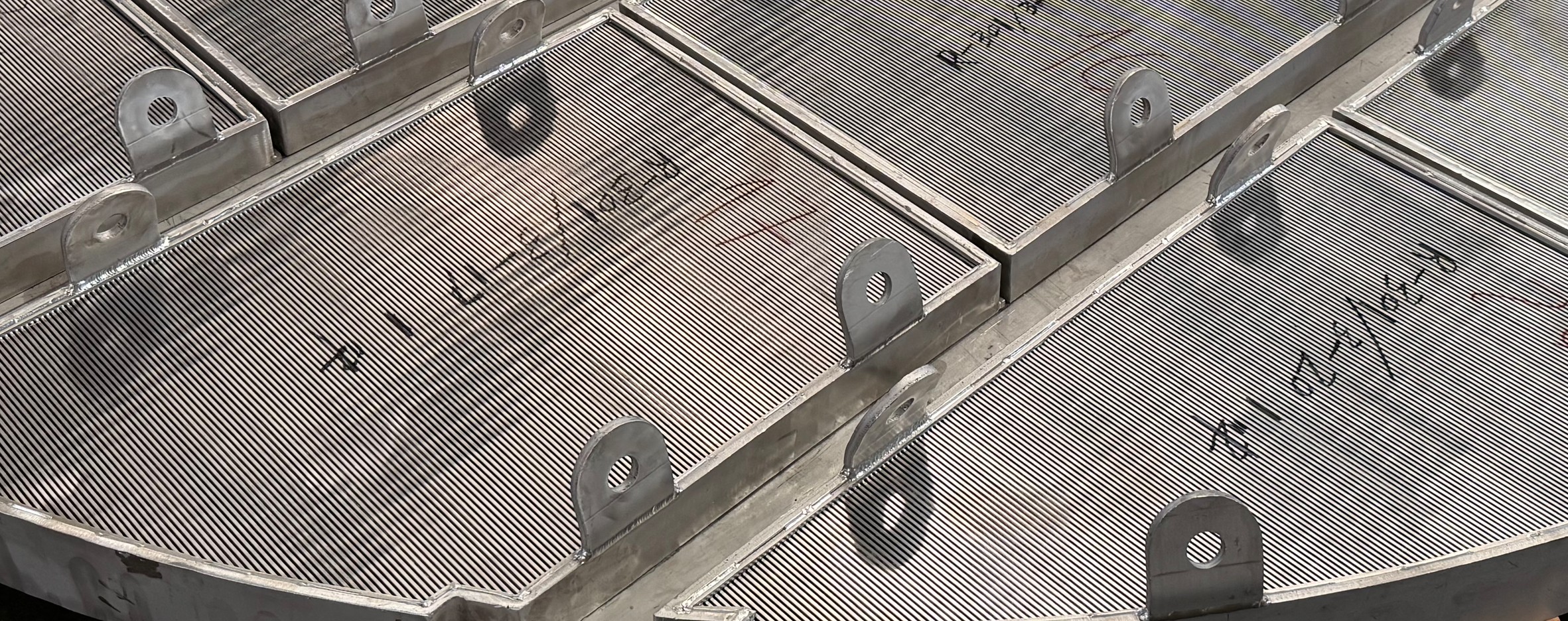
Feed distributors, chimney trays, seal pans, and liquid collectors — precisely engineered to maximize column performance.
3D modeledFEA validated
Learn more
Reactor Reactor Internals

Reactor Internals

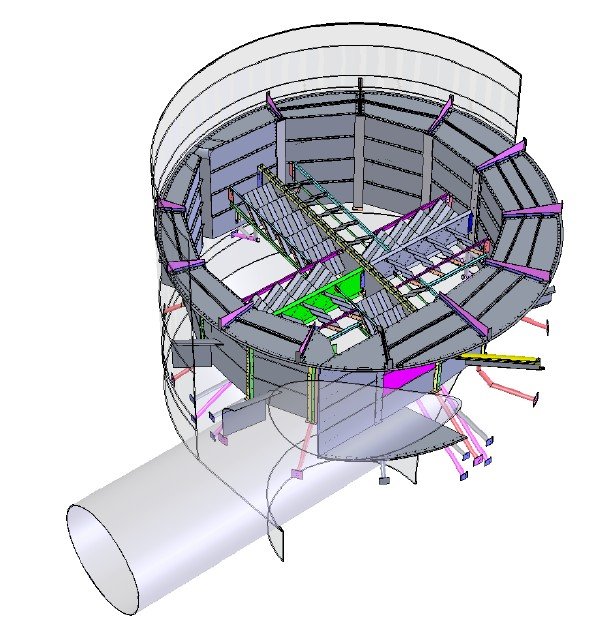
Inlet diffusers, quench decks, collector/distributor assemblies, and outlet collectors for catalytic reactor applications.

CFD simulatedCustom fabrication
Learn more
Separator

Separator Internals

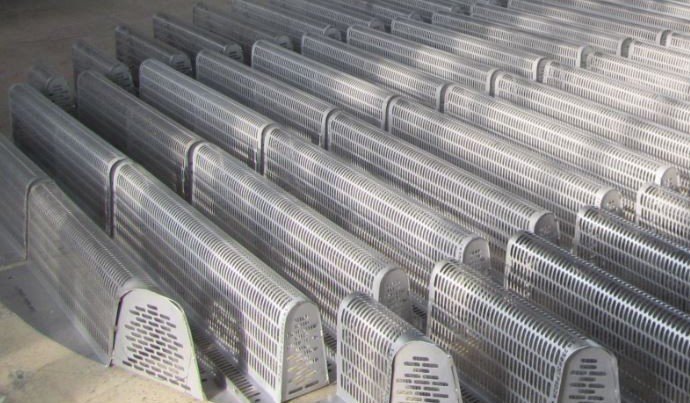
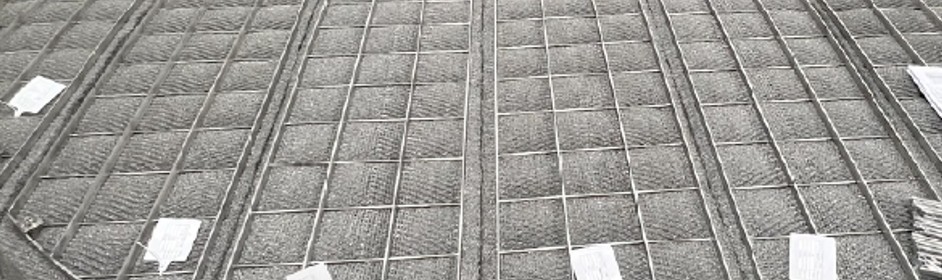
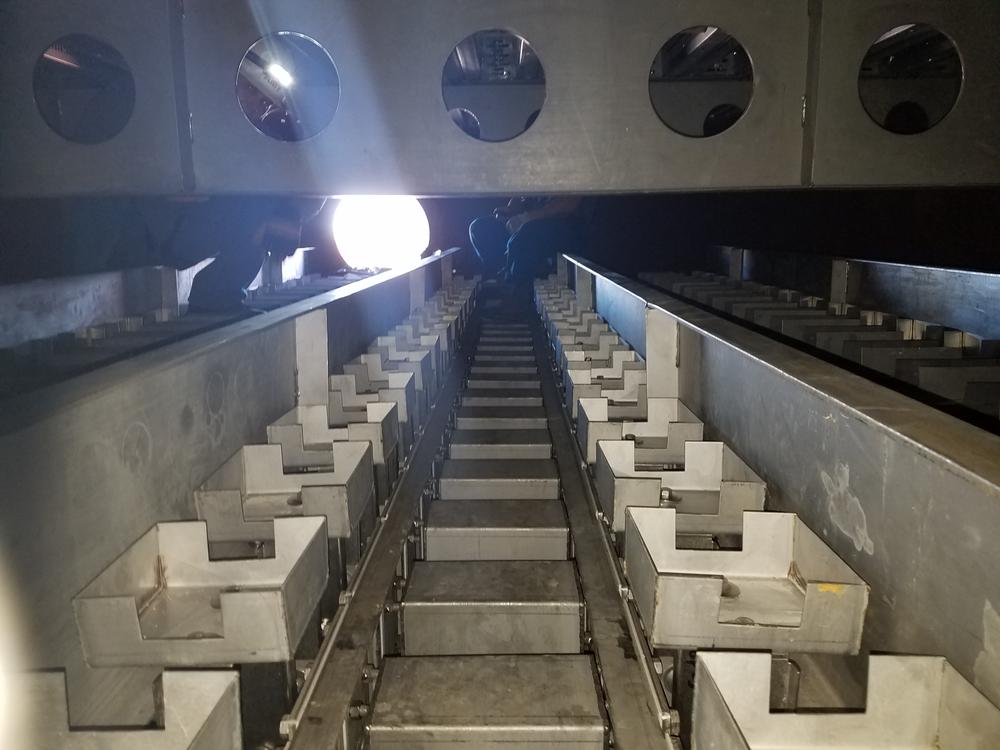
MPV Vane Pack, Z-Pack De-Entraining Device, Agglomeration Device, Mist Eliminators, Feed Distributors, and Swirl Tubes — designed for your service or supplied as direct replacements.
2 & 3 phase99.9% efficiency10–20 micron
Learn more
Filtration ADS Filters & Strainers

ADS Filters & Strainers

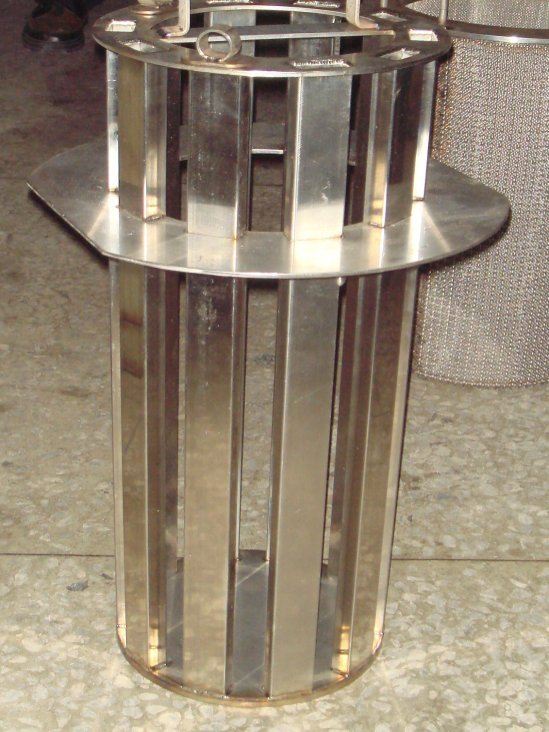
AMT's proprietary Advanced Double Stage filtration system protecting column internals from contaminants in demanding HPI services.

ProprietaryDual-stage
Learn more

Proven Results

Revamp Case Studies

Real performance gains from real installations across petroleum refining, petrochemical, and gas processing applications worldwide.

Petrochemical · PTA

Acetic Acid Dehydration

Replaced conventional internals with AMT ADV® trays and ADP process technology, dramatically reducing energy use and product loss.

Production Cost Reduction
Up to 35%

Petroleum Refining · Vacuum

Vacuum Column Revamp

Debottlenecked an existing vacuum tower using ADV®-MP high-capacity trays, increasing throughput without any shell modifications.

Result
Throughput increase, no new shell

Petrochemical · Aromatics

Xylene Splitter Revamp

Revamped large-diameter splitter with multi-pass ADV® trays to resolve flooding and increase separation efficiency at higher feed rates.

Result
Flooding resolved + throughput up

Engineering Services

Beyond Equipment — Full Lifecycle Support

From initial process simulation to installation supervision and post-startup troubleshooting, AMT offers a complete engineering services capability under one roof.

01

Process Engineering

Rigorous process design, simulation, and optimization — from revamp scoping to full column redesign.

  • Process simulation & rating
  • Mass transfer equipment design
  • Column debottlenecking
  • Performance troubleshooting
  • CFD & flow distribution testing
Learn more
02

Mechanical Engineering

Full mechanical design and documentation for tray decks, tower internals, and structural components — validated by FEA before fabrication.

  • 3D mechanical modeling
  • FEA structural validation
  • Fabrication drawings
  • Material selection
  • Quality documentation
Learn more
03

Field Services

On-site installation supervision, startup support, and performance verification by AMT's own engineers.

  • Installation supervision
  • Pre-startup inspection
  • Startup & commissioning
  • Performance testing
  • Operational troubleshooting
Learn more

Quality You Can Specify With Confidence

Every AMT product delivered with full technical documentation and mechanical validation.

Founded
1997
Patents
149
Columns
10,000+
Continents
6

Ready to Solve Your Next Separation Challenge?

Our engineers respond quickly and speak your language — whether you need a replacement internal or a complete column redesign. Let's talk about your specific application.
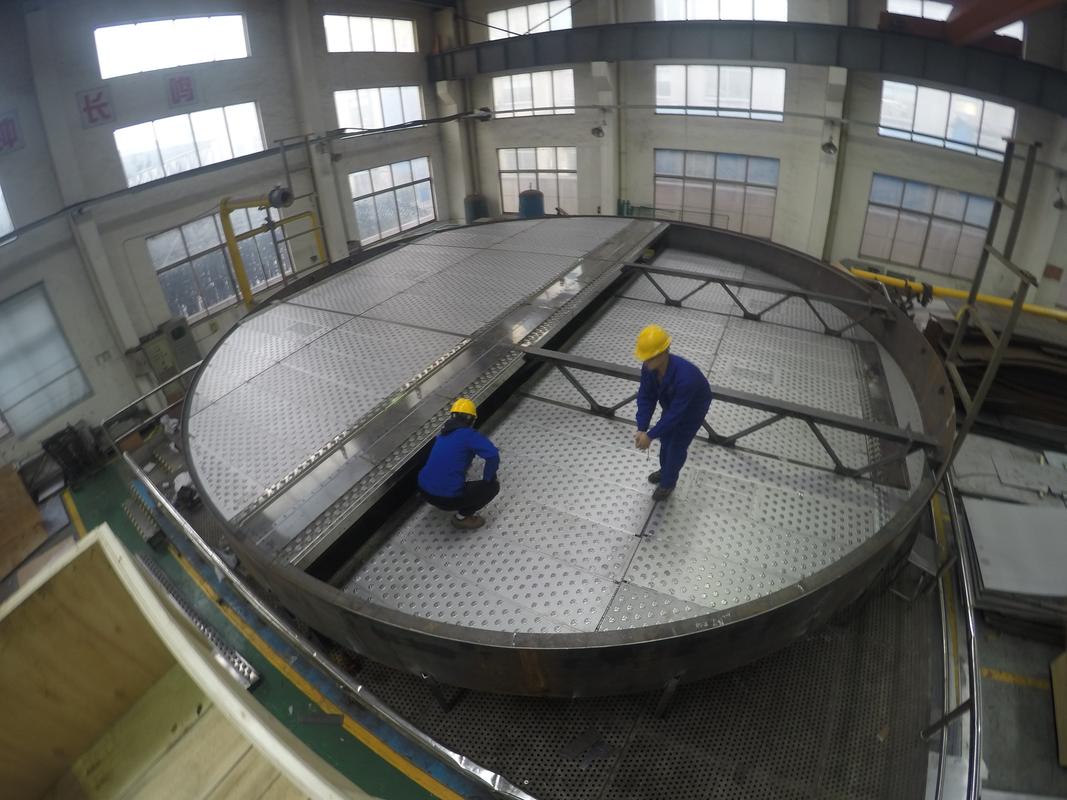
Built on Innovation,
Driven by Experience.

Founded in 1997 by a team of senior engineers and executives with decades of combined industry experience, AMT International was built on a foundation that few competitors can match — decades of hands-on expertise carried over from one of the industry's most respected legacies.

Our Story

Nearly Three Decades of Advancing What's Possible

AMT International Headquarters

Our team brings nearly 200 years of combined industry experience and holds 149 U.S. and foreign patents — representing real engineering problems solved, real columns optimized, and a sustained commitment to advancing separation technology. AMT's engineers have designed and commissioned equipment in over 10,000 columns across six continents, in applications ranging from routine revamps to the most technically demanding grassroots installations in the HPI.

We design and supply high-capacity, high-efficiency separation, fractionation, and distillation equipment for the hydrocarbon processing industries worldwide. Our portfolio spans high-performance and conventional trays, structured, random, and grid packing, tower and reactor internals, and tray hardware — engineered using 3D modeling, FEA, and CFD simulation.

Pushing Innovation

AMT holds 149 U.S. and foreign patents in separation equipment and chemical process technologies. With in-house expertise in 3D modeling, CFD, and FEA, we streamline the transition from concept to final product — ensuring optimized designs and superior performance.

Built with Knowledge

AMT's team of senior experts brings nearly 200 years of combined industry experience. This depth of knowledge enables us to anticipate and solve challenges before they arise, develop unique solutions for complex separation processes, and drive continuous innovation.

Proven by Experience

With a proven track record in over 10,000 columns worldwide, AMT has earned the trust of customers across diverse industries. Many of our clients return for repeat business — a testament to the reliability and effectiveness of our solutions.

Designed with Quality

As pioneers in utilizing 3D modeling for product development, we eliminate design oversights and ensure precision during fabrication. Rigorous FEA and CFD simulations uphold the highest performance standards across every product we deliver.

1997
Year Founded
149
Patents Held
10,000+
Columns Worldwide
200+
Years Combined Experience

Leadership Legacy

Deep Expertise, Independent Innovation

Selected Major Clients

Sinopec · PetroChina · BP · BASF · NOVA Chemicals

View all major clients →

AMT was founded in 1997 by a team of senior engineers and executives with decades of combined experience in the hydrocarbon processing industry. That deep foundation — combined with AMT's own independent R&D program, 149 U.S. and foreign patents, and a sustained commitment to engineering innovation — has produced a product and technology portfolio that stands entirely on its own merit.

30+
Avg. Years Experience
Per Senior Engineer
70+
Patents from Process
& System Engineering Team
6
Continents with
Operating Installations

Learn More About AMT's Capabilities

Download our product brochure or contact our engineering team for a technical discussion.

Global Reach,
Local Expertise.

With AMT as the North American sales and technical center and strategic partner facilities across the Pacific and beyond, customers from all over the world receive timely engineering support and fabrication services.

Plano, Texas, USA

North American Headquarters · Sales & Technical Center

AMT's global headquarters houses our full engineering team — process, mechanical, and field services — along with sales, project management, and corporate functions. All major technical work originates from the Plano office.

Address5028 Tennyson Pkwy, Plano, TX 75024
Phone(972) 378-0700
Emailinformation@amtintl.com
FunctionEngineering, Sales, Project Management

Pacific Region

Pacific Sales & Technical Center · Partner: Zehua

AMT's strategic Pacific partnership with Zehua provides regional sales support, technical consultation, and fabrication capabilities for customers across Asia. The Pacific center enables fast turnaround for the growing HPI market in the region.

FunctionSales, Technical Support, Fabrication
MarketsAsia-Pacific, China, Southeast Asia

Global Partner Network

Regional Sales & Support · Multiple Continents

In addition to primary locations, AMT maintains a network of regional representatives and sales partners across Europe, the Middle East, South America, and beyond — ensuring customers worldwide have access to AMT expertise and supply chain support.

RegionsEurope, Middle East, Americas, Asia
FunctionRegional Sales & Support

Global Coverage

Operating Installations Across 6 Continents

AMT's products are operating in refineries, petrochemical plants, and gas processing facilities across North America, South America, Europe, the Middle East, Asia, and Australia.

North America
South America
Europe
Middle East
Asia
Australia

Find Your Regional Contact

Our global team is ready to support your project regardless of location. Get in touch and we'll connect you with the right resources.

Strategic Partnerships
for Global Reach.

AMT's partner network extends our engineering expertise and product delivery capabilities to customers across every major HPI market worldwide.

Fabrication Quality Control

Partner Network

Trusted Partners, Consistent Quality

AMT works with a select network of regional partners and fabricators who share our commitment to engineering rigor and quality. Each partner relationship is managed to ensure AMT's design standards and quality requirements are met on every project.

ZH

Zehua

Pacific region sales, technical, and fabrication partner. AMT's primary partner for Asia-Pacific market coverage.

ME

Middle East Partners

Technical representatives serving the Gulf Cooperation Council and broader Middle East HPI markets.

EU

European Network

Sales representatives across Europe supporting AMT's growing customer base in European refining and chemical sectors.

SA

South American Partners

Regional support for South American refiners and petrochemical producers across Brazil, Argentina, and other key markets.

Partner with AMT: If you represent a regional fabricator, engineering firm, or sales organization serving the HPI market and are interested in representing AMT's products and technology in your region, we'd like to hear from you. Contact us to discuss partnership opportunities.

Interested in Partnering with AMT?

We're always looking to expand our network with qualified fabricators and regional representatives who share our commitment to quality.

Innovative Process
Technology Since 1997.

AMT holds 149 U.S. and foreign patents on separation equipment and chemical process technologies. Our proprietary processes deliver measurable cost reductions and efficiency gains for refiners and petrochemical producers worldwide.

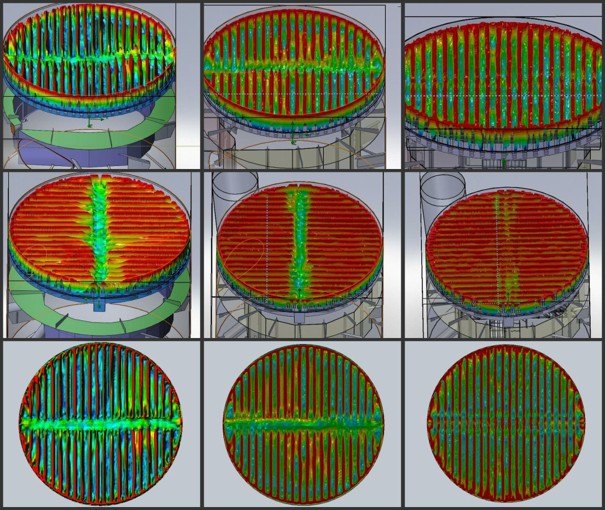
CFD Pressure AnalysisCFD Flow Visualization

What We Deliver

Process Technology Benefits

AMT's products and services deliver an array of measurable benefits to process licensors and plant owners for both grassroots and revamp projects.

Lower Energy Use

Consume significantly less energy per unit of product through improved mass transfer efficiency

More Process Heat

Recover more process heat and reduce utility requirements across the separation train

Reduce Product Loss

Tighter separation reduces off-spec product and improves product yield per unit of feed

Increase Run Time

Extend operating run times of all units through better design and fouling-resistant equipment

Up to 35% Reduction in Production Cost

Integrating ADV® Pinnacle Performance Trays and other AMT advanced mass transfer equipment has achieved production cost reductions of up to 35% in PTA producers, BTX recovery from pyrolysis gasoline, and ethanol anhydride production.

This is achieved through a combination of improved separation efficiency, reduced energy consumption, and elimination of unnecessary chemical additives — particularly in extractive distillation applications.

Proprietary Technologies

AMT Process Technology Portfolio

ADP Technology — Acetic Acid Dehydration

AMT's ADP process provides an advanced solution for acetic acid dehydration in PTA production, eliminating the need for entraining agents and dramatically reducing operating costs.

  • No entraining agent required
  • Lower energy consumption vs. conventional processes
  • Proven in multiple commercial PTA installations
  • Available as ADP and ADP II variants

AED-BTX Recovery Process

The AED process uses extractive distillation to recover BTX aromatics from hydrocarbon mixtures such as pyrolysis gasoline (pygas), replacing conventional solvent-based extraction with a more efficient approach.

  • High BTX recovery efficiency
  • Lower solvent inventory vs. LLE processes
  • Reduced utility consumption
  • Compatible with all common BTX feeds

ADS Filtration System

AMT's proprietary Advanced Double Stage filtration system protects downstream separation equipment from entrained solids and contaminants, extending run times and reducing unplanned shutdowns.

  • Two-stage solid-liquid separation
  • Designed for high-fouling services
  • Engineered to AMT's same 3D modeling standards
  • Available for new and revamp projects

ADV® Pinnacle Performance Trays

The foundation of AMT's process technology portfolio — a family of high-capacity, high-efficiency trays that form the core of AMT's separation process offerings.

  • Single, double, and multi-pass configurations
  • 700mm to 10,000mm tower diameters
  • Vacuum to high pressure systems
  • Over 10,000 commercial installations

Find Out How AMT Technology Can Benefit Your Plant

Contact our process engineering team to discuss how AMT's proprietary technologies can reduce costs and improve efficiency at your facility.

The Science Behind
Superior Separation.

AMT's mass transfer technology is grounded in rigorous engineering — combining proprietary design software, pilot plant validation, CFD simulation, and FEA structural analysis to deliver equipment that performs as designed from day one.

Large Scale Flow TestFlow Distribution Test

Engineering Methodology

How AMT Designs Better Equipment

From concept to commissioning, every AMT product goes through a disciplined engineering process designed to eliminate errors and maximize performance.

01

Process Simulation & Rating

All AMT designs begin with rigorous process simulation and tray/packing rating using industry-leading simulators combined with AMT's proprietary in-house programs. This ensures the equipment is correctly specified before any mechanical work begins.

ProMaxAspen PlusAMT Proprietary ToolsSEMSI Pro
02

Computational Fluid Dynamics (CFD)

For critical applications where flow distribution is key to column performance — particularly specialized inlet designs, feed nozzles, and distributor systems — AMT performs full CFD analysis for design optimization and validation of flow and thermal performance.

Inlet DiffusionDistributor OptimizationFeed Nozzle DesignThermal Validation
03

3D Mechanical Modeling

As pioneers in applying 3D modeling to mass transfer equipment design, AMT uses full 3D models for every significant product — eliminating dimensional conflicts, improving fabrication accuracy, and enabling precise communication between engineering and fabrication teams.

SolidWorksFull 3D ModelsFabrication DrawingsClash Detection
04

Finite Element Analysis (FEA)

All structural components — tray decks, support rings, downcomer bars, and reactor internals — are validated using FEA before fabrication. This ensures structural integrity under all operating conditions including upset pressures, thermal loading, and seismic requirements.

Structural ValidationUplift AnalysisThermal LoadingSeismic Compliance
05

Flow Distribution Testing

For key equipment designs, AMT uses large-scale research facilities to perform liquid flow distribution testing. AMT has performed validation testing on distributors up to 30 feet (9 meters) in diameter — providing real-world validation before equipment ships to site.

Up to 30' Diameter TestingLiquid DistributionPilot Plant Validation
06

Pilot Plant Testing

With several sets of experimental facilities at different scales, AMT can develop and pilot-test new processes and equipment, as well as perform mimetic operation testing for existing equipment ahead of revamp projects.

Multi-scale FacilitiesNew Process DevelopmentRevamp Validation

See Our Technology at Work

Review our case studies or contact AMT's engineering team to discuss how our design methodology applies to your specific application.
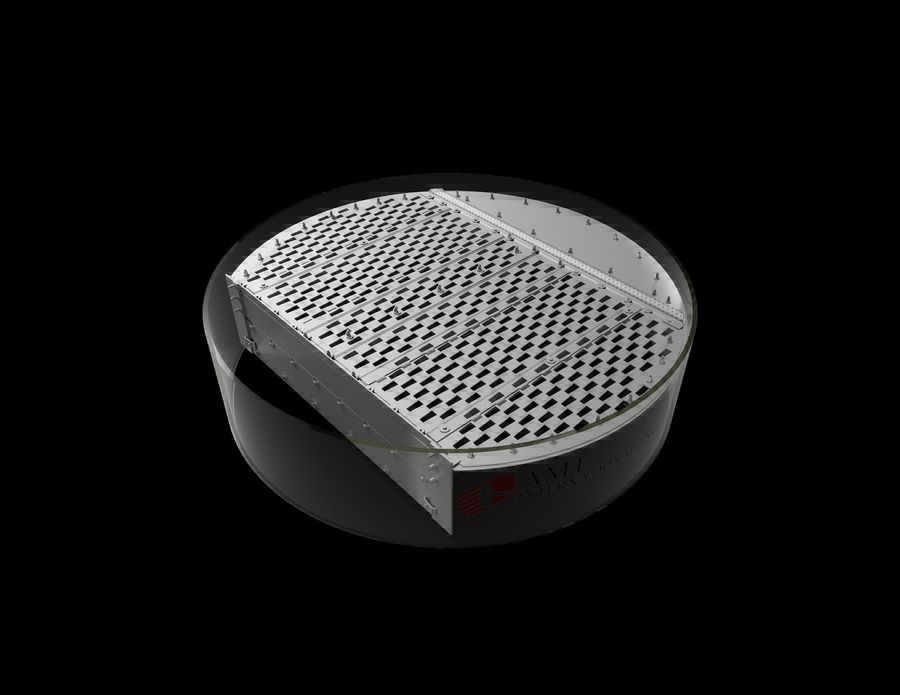
10,000+ Commercial
Installations. Proven Results.

Since 1997, AMT ADV® Pinnacle Performance Trays have been successfully applied in more than 10,000 commercial installations across the refining, petrochemical, and chemical industries worldwide.

Column Revamp 1-Pass to 2-Pass

Revamp Case Studies

Measurable Performance Improvements

The following case studies detail modifications completed and the resultant performance increases — across tower diameters from 700mm to 10,000mm, pressures from vacuum to high, and applications across the entire HPI.

Petrochemical · PTA

Acetic Acid Dehydration in PTA

PTA producer replaced conventional internals with AMT ADV® trays and ADP process technology, reducing solvent losses and energy consumption.

Production Cost Reduction
Up to 35%
Download
Petrochemical · BTX

Sulfolane LLE Unit Revamp

Liquid-liquid extraction unit revamped to improve BTX recovery and reduce solvent circulation rate using AMT internals.

Outcome
Improved BTX yield & lower utility
Download
Petrochemical · Aromatics

Xylene Splitter Revamp

Large-diameter xylene splitter revamped with multi-pass ADV® trays to resolve flooding and increase throughput at higher feed rates.

Outcome
Flooding resolved, capacity increased
Download
Refining · Hydroprocessing

N-Removal Revamp

Column revamp to improve nitrogen removal efficiency using AMT high-performance trays, enabling higher feed rates and better product quality.

Outcome
Higher throughput & product quality
Download
Chemical · Solvent Recovery

SRC Revamp

Solvent recovery column revamped to increase capacity and reduce energy consumption using AMT ADV® tray technology.

Outcome
Capacity increase, energy reduction
Download
Chemical · EDC

EDC Expansion Revamp

Ethylene dichloride (EDC) unit debottlenecked to support expanded production capacity using AMT high-performance internals.

Outcome
Debottlenecked for capacity expansion
Download
Petroleum Refining · Vacuum

Vacuum Column Revamp

Existing vacuum tower debottlenecked using ADV®-MP high-capacity trays, increasing throughput without shell modifications.

Outcome
Throughput up, no new shell required
Download
Gas Processing

Gas Plant Revamp with ADV-DD

Gas plant revamped using AMT's ADV-DD tray design to improve separation efficiency and increase capacity in a demanding low-pressure service.

Outcome
Separation efficiency improved
Download
Refining · Fractionation

Gas Plant — C3 Splitter Revamp

Propylene/propane splitter revamped with AMT ADV® trays to increase capacity while maintaining separation purity specification.

Outcome
Capacity increase, spec maintained
Download
Refining · FCC

RFCC LPG Recovery Revamp

LPG recovery section of an RFCC unit revamped to increase LPG yield and improve separation at elevated throughput rates.

Outcome
Increased LPG yield
Download
Refining · FCC

RFCC Main Fractionator Revamp

RFCC main fractionator revamped with AMT high-capacity trays to handle increased feed rates following an FCC capacity expansion project.

Outcome
Fractionator debottlenecked
Download
Petrochemical · BTX

Sulfolane LLE to AED Conversion

Existing sulfolane LLE BTX recovery unit converted to AMT's proprietary AED extractive distillation process, reducing capital and operating costs.

Outcome
Lower CAPEX & OPEX vs. LLE
Download

Have a Similar Challenge?

Our engineers can assess your column and recommend the most effective solution — whether a targeted revamp or complete redesign.

AMT High Performance
Tray Technology.

AMT designs and manufactures a comprehensive range of high-performance trays — delivering tailored solutions for virtually any application, material, tower size, process, or design requirement. Thousands of columns worldwide operate with AMT trays.

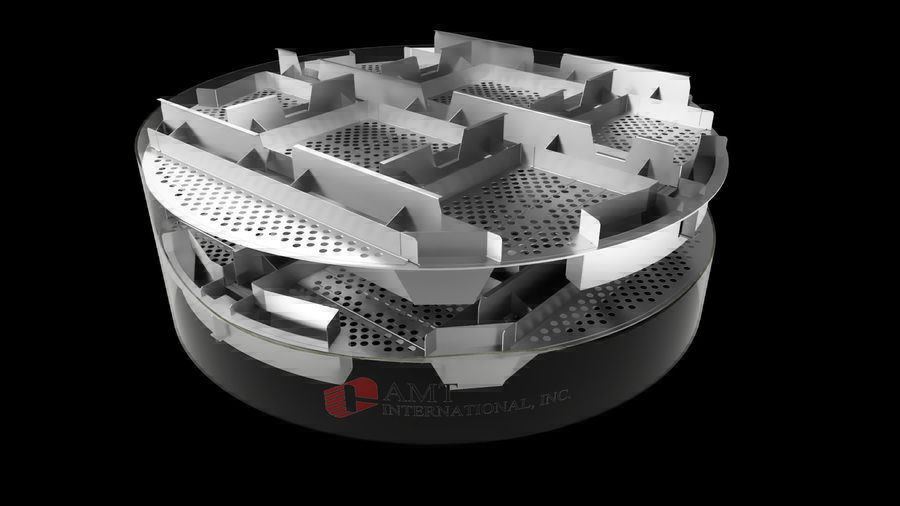
AMT Tray Stack

Product Range

The Complete AMT Tray Portfolio

From our flagship ADV® Pinnacle trays to specialized designs for catalytic distillation, extraction, and high-uplift services — AMT has a proven tray for every application.

3rd Generation
Patented — New

ADV-TDD® Tray

Truncated Downcomer Distributor — 3rd Generation

AMT's breakthrough patented technology for large-diameter multi-pass columns. The TDD concept solves the fundamental liquid distribution problem in 4, 6, and higher-pass trays — delivering 85–95% tray efficiency where conventional designs achieve only 40–65%. Proven in PDH C3 splitters up to 39ft diameter.

6-Pass & abovePDH / C3 SplitterPatented TDD85–95% efficiencyVCFC eliminated
Learn more →
Flagship
ADV® Pinnacle Performance Tray

ADV® Pinnacle Performance Tray

The Pinnacle of Tray Performance

AMT's core high-performance tray technology. The ADV® Pinnacle uses an advanced downcomer and active area geometry that delivers significantly higher capacity and efficiency compared to conventional valve or sieve trays. Available in one to six pass configurations and engineered for tower diameters from 700mm to 10,000mm.

700–10,000mm dia.1–6 passVacuum to high pressure300–915mm spacing10,000+ installations
High Capacity
ADV®-MP Tray

ADV®-MP Tray

Maximized Capacity ADV Trays

The ADV®-MP (Multi-Pass) extends the ADV® Pinnacle concept with optimized multi-pass geometry for maximum vapor and liquid capacity. Ideal for debottlenecking large-diameter columns where throughput increase is the primary objective. In service since 2001 with an excellent commercial track record.

Maximum capacityLarge diameter optimizedDebottlenecking focusSince 2001
High Uplift
IMPACT Tray — Explosion Hatches

IMPACT Tray

Explosion Hatch Design — Surge & High Uplift Protection

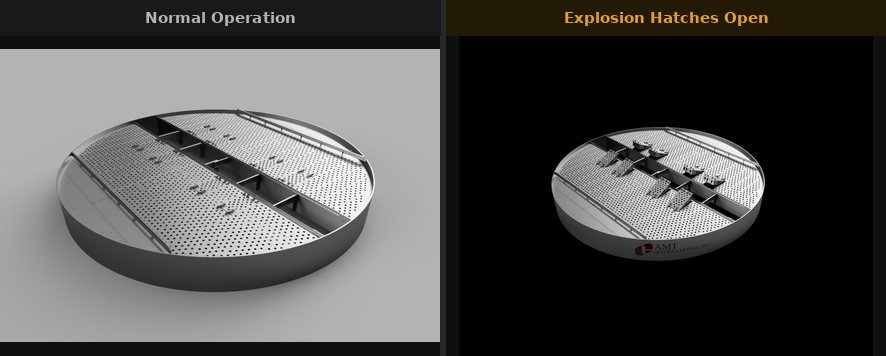
Engineered for services where high differential pressure events — caused by surging, vapor breakthrough, or process upsets — can damage conventional trays. The IMPACT tray features proprietary explosion hatches (also known as explosion-proof manways) that open under extreme uplift to safely relieve overpressure events, then re-seat automatically — protecting the tray deck and column internals while maintaining excellent mass transfer performance during normal operation.

Explosion hatchesHigh uplift resistanceAuto re-seatingSurge protectionRobust construction
LLE
ADE Extraction Tray

ADE Extraction Tray

High Efficiency LLE Trays

The ADE (Advanced Downcomer Extraction) tray is designed specifically for liquid-liquid extraction (LLE) services — providing high stage efficiency and good operability in multi-phase systems where conventional trays struggle. Used in BTX extraction, sulfolane units, and specialty chemical extraction applications.

LLE optimizedMulti-phase capableBTX / aromatics
Catalytic
CD Tray

CD Tray

Advanced Catalytic Distillation

The CD (Catalytic Distillation) tray is AMT's field-proven solution for reactive distillation applications where reaction and separation occur simultaneously in the column. Specially designed to accommodate catalyst bales or structured catalyst modules while maintaining effective vapor-liquid contacting.

Catalytic distillationReactive separationCatalyst compatible
Anti-Fouling
EPV Tray

EPV Tray

Anti-Fouling Fixed Valve Trays

The EPV (Enhanced Performance Valve) tray uses a rectangular fixed-valve geometry that resists fouling and scaling, making it ideal for services containing solids, polymers, or other fouling materials. The fixed-valve design eliminates the mechanical wear and valve-blowing issues common in movable-valve trays.

Anti-foulingFixed valveNo moving partsDirty services

Application Guidance: Not sure which tray type is best for your application? AMT's process engineers can evaluate your specific column conditions — tower diameter, pressure, flow rates, and fouling tendency — and recommend the optimal tray design. Contact us for a no-obligation technical discussion.

Ready to Specify AMT Trays?

Contact our engineering team with your column conditions and we'll provide a tray recommendation with preliminary sizing.

Conventional Trays,
AMT Engineering Rigor.

Sieve, valve, and bubble-cap trays engineered to the same 3D modeling, FEA, and quality standards as AMT's high-performance line — for applications where proven conventional technology is the right choice.

Bubble Cap Tray

Product Range

Conventional Tray Types

AMT's conventional tray portfolio covers all standard configurations, engineered with the same mechanical precision that defines every AMT product.

Sieve Trays

The simplest and most cost-effective tray design — a perforated tray deck with no moving parts. AMT sieve trays are optimally perforated and structurally validated to provide reliable performance with minimal maintenance.

No moving partsLow maintenanceCost-effectiveAll diameters

Valve Trays

Movable or fixed-valve trays offering a wider operating range than sieve trays. AMT valve trays are available in multiple valve geometries and materials, and can be supplied with either movable or fixed valves depending on the fouling tendency of the service.

Wide turndownMovable or fixedMultiple geometries

Bubble-Cap Trays

Bubble-cap trays provide the widest operating range of all tray types and will not weep even at very low vapor rates. Typically specified for applications requiring very high turndown or where liquid seal must be maintained during startup or shutdown.

Widest turndownZero weepingStartup-friendly

When is conventional the right choice? AMT's conventional trays are the right specification when column loading is moderate and predictable, fouling is not a concern, and project budget is a primary driver. For capacity-limited or revamp applications, AMT's high-performance ADV® trays typically deliver a faster payback. Not sure which to specify? Contact our engineers for guidance.

Get the Right Tray for Your Application

AMT's engineers will help you select and size the optimal tray type for your column conditions and project requirements.

Cartridge Trays —
Trays for Small-Diameter
Columns.

When a column is too small for personnel to enter, conventional ring-supported trays cannot be installed. AMT cartridge trays solve this by delivering pre-assembled tray bundles that drop into the column through its body flanges — bringing full tray performance to small-bore columns that would otherwise be limited to packing.

What Is a Cartridge Tray?

Pre-Assembled Tray Bundles

A cartridge tray is not a single tray but a complete, pre-assembled bundle of trays and downcomers held together on a tie-rod framework. Each bundle — the "cartridge" — is fabricated and inspected in the shop, then shipped as a rigid unit ready for installation.

Because small-diameter columns cannot accommodate a manhole, there is no way for a worker to climb inside and bolt trays onto welded support rings the way they would in a large tower. Instead, the cartridge bundle is lowered into the column through its body (girth) flanges. Successive bundles bolt together as they are installed, and the assembled stack rests on support clips welded to the shell, with each tray sealed against the column wall by a circumferential gasket.

A typical bundle carries on the order of eight to ten trays. The tray decks themselves can be any standard type — sieve, valve, or bubble-cap — so the separation performance of a full-size trayed column can be reproduced inside a column only a few hundred millimetres across.

AMT Cartridge Tray Unit

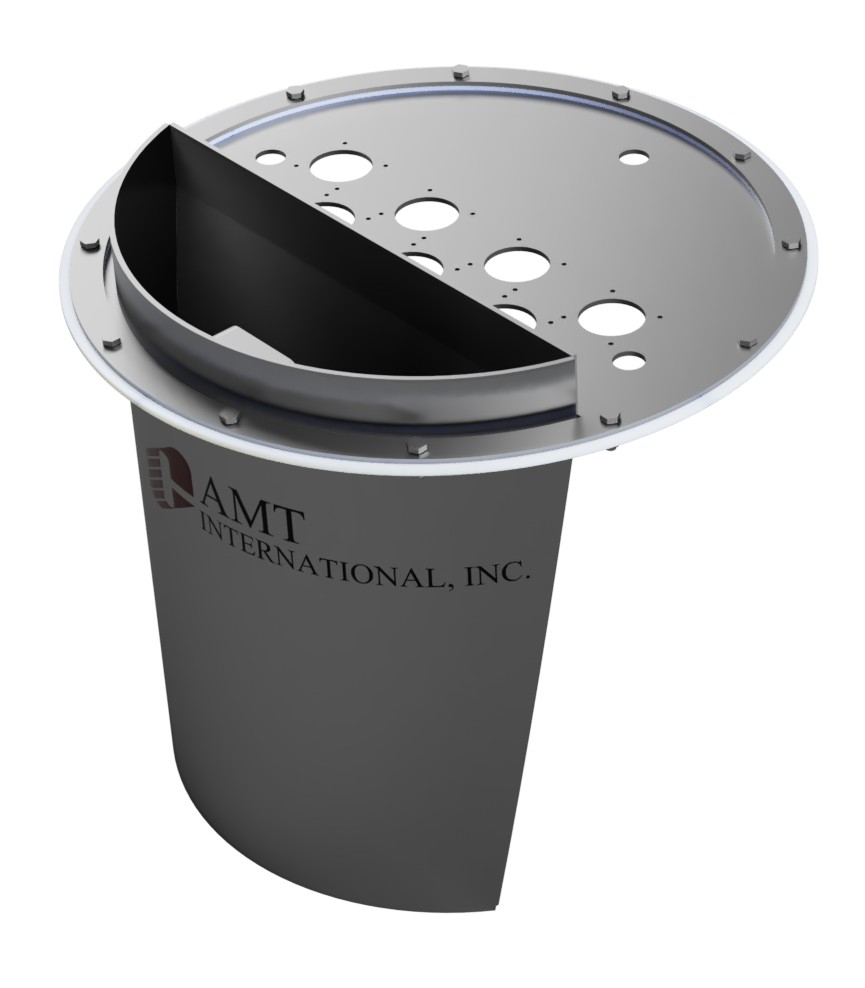
A single AMT cartridge tray unit — tray deck, integral envelope downcomer, and gasketed outer shell.

Where Cartridge Trays Fit

The Small-Diameter Problem

Below roughly 3 feet (0.9 m) in diameter, a column is too narrow for safe internal access. Historically this forced designers to either oversize the column just to make tray installation possible, or to switch to packing. Cartridge trays remove that compromise.

No Oversizing

Designers no longer have to inflate a column to a 2.5–3 ft minimum simply to allow a person inside to install trays. The column can be sized to its true hydraulic requirement and still use trays.

Trays Over Packing

Packing is the usual default for small columns, but trays remain the better choice for fouling and certain foaming services, high-pressure duties, and applications that need high efficiency together with wide turndown.

Faster Installation

Because the trays arrive pre-assembled and simply drop into the column flange-to-flange, cartridge bundles install considerably faster than building up ring-supported trays piece by piece — valuable on tight turnaround schedules.

Trays or packing for your small column? The choice depends on the service — fouling tendency, foaming, operating pressure, turndown, and efficiency targets all factor in. AMT's engineers can evaluate your conditions and recommend whether cartridge trays or packing will give the better result. Talk to our engineers →

Anatomy of a Cartridge Bundle

How the Bundle Is Built

Every cartridge bundle is engineered to survive shipping and crane handling without losing its tray spacing or structural integrity, then to seal and seat reliably once inside the column.

AMT Cartridge Tray Bundle — Full Assembly

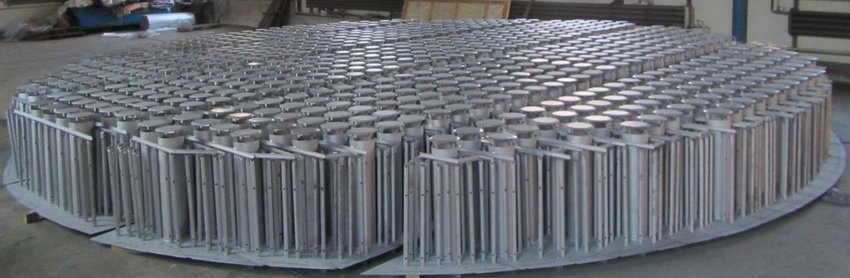
A full AMT cartridge bundle — multiple trays stacked and locked on tie-rods, ready to lower into the column.

Key Components & Construction

  • Tie-rods & spacers: the tray decks are connected by full-length tie-rods, with spacer sleeves setting and locking the exact tray spacing.
  • Integral downcomers: envelope-style downcomers are built into each tray deck rather than bolted to the wall.
  • Circumferential seals: each tray is gasketed against the column wall, since the deck edge is not welded to the shell.
  • Support clips: the assembled stack lands on clips or lugs welded to the shell at each column section.
  • Any deck type: sieve, valve, or bubble-cap decks — selected to match the service.
  • Heavy-duty build: robust hardware keeps the bundle rigid through transport, lifting, and insertion.
Columns below ~0.9 m / 3 ft~8–10 trays per bundleFlange-to-flange installSieve · Valve · Bubble-capShop pre-assembled & inspected

Need Trays in a Small-Diameter Column?

Send AMT your column dimensions and process conditions, and our engineers will design a cartridge tray solution — or advise whether packing is the better fit.

High-Performance
Tower Internals.

Feed distributors, chimney trays, seal pans, liquid collectors, and support systems — every internal precisely engineered with 3D modeling and FEA to complement any tray or packing system and maximize column performance.

Tower Internals

Internals Portfolio

Complete Tower Internal Systems

Poorly designed internals are a leading cause of column underperformance. AMT's tower internals are engineered to the same standard as our trays — with full 3D modeling, CFD validation for critical applications, and FEA structural analysis.

Feed Distributors

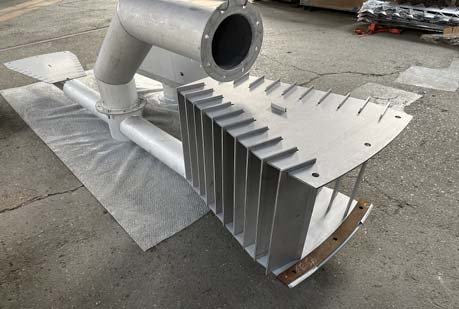
Correctly designed feed distributors are essential to column efficiency — particularly for packed columns where poor feed distribution directly limits separation performance. AMT designs single and multi-phase feed distributors using CFD simulation, validated at our large-scale test facility (up to 9m diameter).

  • Vapor-liquid flash feed distributors
  • Liquid-only feed pipes and troughs
  • Multi-point vapor distributors
  • CFD-optimized for uniform distribution
Liquid Distributor

Liquid Distributors & Collectors

For packed columns, liquid distributor design is as critical as packing selection. AMT's distributors ensure uniform liquid coverage of the packing surface across the full operating range of the column.

  • Orifice trough distributors
  • Spray nozzle distributors
  • Notched-weir distributors
  • Collector trays for multi-bed columns

Chimney Trays & Seal Pans

Chimney trays and seal pans are used to collect liquid between beds, provide vapor distribution, and maintain liquid seals. AMT engineers these components to precisely match the hydraulic requirements of the specific application.

  • Single and multi-pass chimney trays
  • Downflow seal pans
  • Draw-off trays and sumps
  • Manway access provisions
Tray Support Beams

Packing Support & Hold-Down

Packing support grids and hold-down plates must withstand the full range of column operating loads including upset differential pressures. AMT designs and validates all support systems using FEA.

  • Packing support plates & grids
  • Hold-down plates
  • Bed limiters
  • Inlet diffusers for packing beds

Vapor Distributors & Vapor Horn Design

Uniform vapor distribution at the base of packed beds and at column inlets prevents channeling and premature flooding. For Vacuum Distillation Unit (VDU) applications, AMT's patented vapor horn design controls feed mixing and distribution as the flash feed enters the column — validated using CFD analysis to ensure uniform distribution across the full column cross-section.

  • Base vapor distributors
  • Structured inlet headers
  • Riser/chimney systems
  • Anti-surge baffles

Tray Hardware & Accessories

Every tray system requires a complete hardware package — support rings, tray clips, downcomer bars, and structural supports. AMT's hardware is designed as part of the integrated tray system, not added as an afterthought.

  • Tray support rings
  • Tray clips & fasteners
  • Downcomer bars & bolting bars
  • Anti-jump baffles & splash baffles

Need Tower Internals Engineered to Fit?

AMT can engineer replacement or new tower internals to fit any existing shell — with full 3D modeling to ensure precise fit and correct hydraulic sizing.

Advanced Double Stage
(ADS) Filtration.

AMT's proprietary ADS filtration system provides two-stage solid-liquid separation to protect column internals and downstream equipment from contaminants and entrained solids in demanding refining and petrochemical services.

ADS Technology

Why Two Stages?

Conventional single-stage filters are often insufficient for the contaminant loads seen in refinery and petrochemical service — particularly for feeds containing catalyst fines, corrosion products, or heavy polymeric materials. AMT's ADS system uses a two-stage approach: a first stage that removes bulk solids and a second stage that captures fine particles that pass through the first stage.

This dual approach dramatically extends the time between cleaning cycles, reduces pressure drop buildup, and protects sensitive internals from premature fouling. The ADS system is engineered using the same 3D modeling and CFD analysis that AMT applies to all its separation equipment.

Stage 1 — Bulk Removal

Removes large-particle solids, agglomerated fines, and entrained liquid droplets from the feed stream before they reach the primary separation equipment.

Stage 2 — Fine Filtration

Captures fine particles and sub-micron contaminants that pass through the bulk removal stage, providing a clean feed to the downstream column or equipment.

Result — Extended Run Times

The combined two-stage system dramatically extends intervals between cleaning and shutdown, reducing maintenance cost and improving plant availability.

Patented Magnetic Core Technology

AMT Double-Stage High-Efficiency ADS Filter

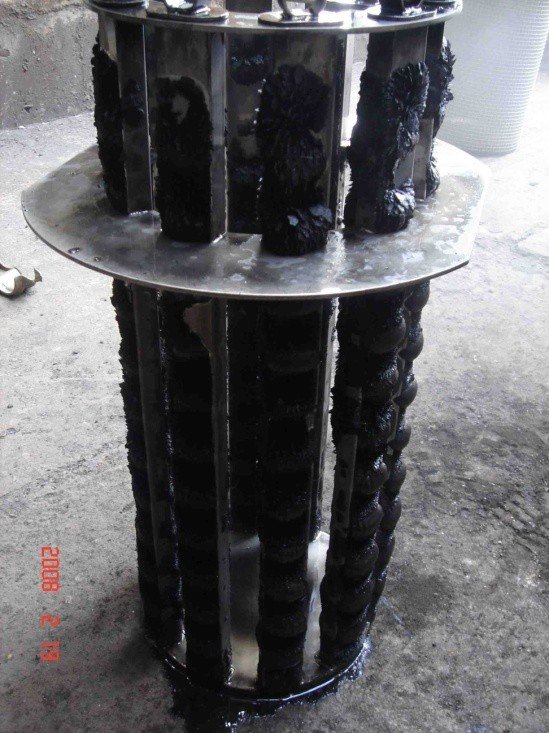
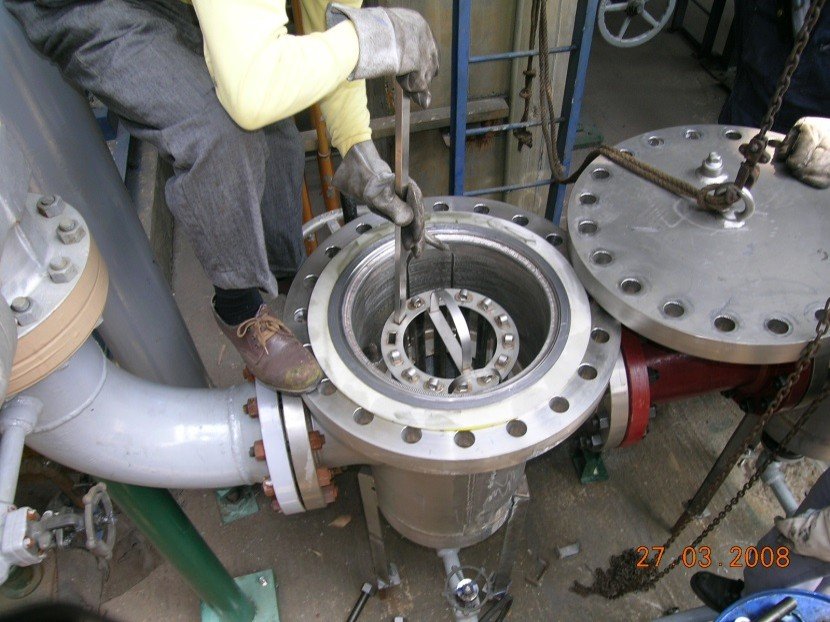
The patented AMT Double-Stage High-Efficiency ADS Filter can replace existing filters in any unit where the process fluid is contaminated with suspended iron particles. The magnetic core captures iron particles smaller than 50 microns that easily bypass traditional filters. The second stage strainer element captures larger contaminants in the process fluid — providing complete two-stage protection for downstream separation equipment.

Applications

Where ADS Filtration is Used

Catalyst Fines

Protect column trays from RFCC, hydrotreater, or reformer catalyst fines carried over in the feed

Corrosion Products

Remove iron sulfide, iron oxide, and other corrosion products from crude or gas plant streams

Polymer & Coke

Filter polymeric deposits and coke fines from olefin or cracking unit streams before column entry

Salt & Scale

Remove salt crystals and scale deposits from amine treating, glycol, or crude unit streams

Fouling Limiting Your Column Runtime?

Contact AMT's engineering team to discuss how ADS filtration can extend your run times and protect your column investment.

Standard Filters
& Strainers.

AMT supplies a complete line of standard filters and strainers for general service applications in refining and petrochemical plants — engineered to AMT's quality standards and specified for long service life.

Product Range

Standard Filtration & Straining

For applications where the advanced two-stage ADS system is not required, AMT's standard filter and strainer line provides reliable solid-liquid separation with straightforward installation and maintenance.

Basket Strainers

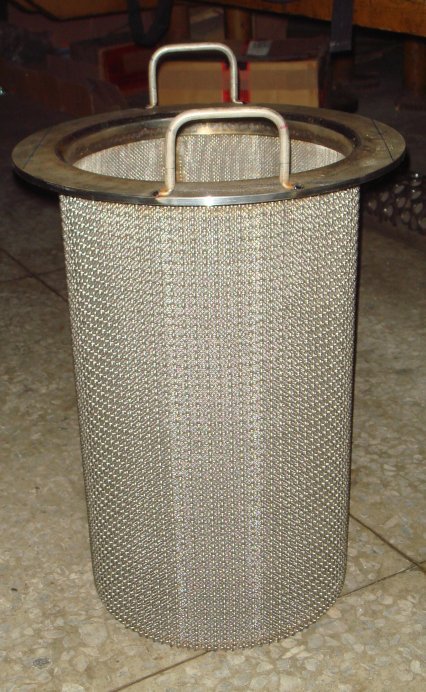
Simplex and duplex basket strainers for continuous-flow applications where the line cannot be shut down for cleaning. Duplex configurations with a bypass valve allow one basket to be cleaned while the other remains in service.

  • Simplex and duplex configurations
  • All pipe sizes and pressure classes
  • Multiple mesh options
  • Carbon steel, stainless, alloy materials

Y-Strainers & T-Strainers

Inline strainers for low-to-moderate solid loading applications where simplicity and low pressure drop are priorities. Ideal for pump suction protection and general pipeline solids removal.

  • Y-strainer for low solids loading
  • T-strainer for higher capacity
  • Easy screen removal for cleaning
  • Class 150 to Class 1500

Cartridge & Bag Filters

High-efficiency filtration for fine particle removal where basket strainers are insufficient. Available in disposable cartridge or reusable bag configurations for a range of particle size requirements.

  • 1–200 micron filtration ratings
  • Multi-cartridge housings
  • Reusable or disposable media
  • High differential pressure options

Need both ADS and standard filtration? AMT can supply a complete filtration system — combining our proprietary ADS two-stage filters for critical services with standard strainers for utility and general service lines — as a single coordinated package engineered to fit your plant layout.

Get the Right Filtration Solution

Contact AMT to discuss your filtration requirements and receive a properly engineered recommendation.

Structured, Random
& Grid Packing.

AMT supplies a comprehensive range of column packing — from high-efficiency structured packing for tight separations to fouling-resistant grid packing for dirty services — with full process and hydraulic design support.

Structured Packing

Packing Types

The Complete AMT Packing Range

AMT offers all three major packing categories — each with specific performance characteristics suited to different separation applications and fouling environments.

Structured Packing

Structured Packing

Corrugated metal or plastic sheets arranged in a regular geometric pattern. Structured packing provides the lowest pressure drop and highest efficiency per unit height of any packing type, making it the preferred choice for vacuum services, tight separations, and capacity-limited columns.

Pressure drop Very low
Efficiency Very high
Turndown Good
Best for Vacuum, tight cuts
Random Packing

Random Packing

Third-generation random packing shapes (rings, saddles, and modern high-performance shapes) dumped into the column to create a random bed. Lower installed cost than structured packing with good fouling tolerance and acceptable efficiency for moderate to high-pressure applications.

Pressure drop Moderate
Efficiency Good
Turndown Good
Best for Moderate pressure, lower CAPEX
Grid Packing

Grid Packing

Open-lattice grid structure with very large open area — designed specifically for high-fouling and high-vapor-rate services where conventional packing would plug or flood. Used in quench towers, crude unit wash sections, and other dirty-service applications.

Pressure drop Very low
Efficiency Lower
Turndown Wide
Best for Fouling, dirty services

Selection Guide

Trays vs. Packing — How to Choose

When to Specify Packing

  • Pressure drop is critical (vacuum service)
  • Corrosive service where plastics are preferred
  • Capacity increase without column modification
  • High-turndown requirement
  • Low liquid rate applications

When to Specify Trays

  • High fouling tendency (solids, polymers)
  • Very large liquid flows (high L/G)
  • Side draws required at multiple points
  • Column inspection / access is important
  • High pressure service

Not Sure Which Packing is Right?

AMT's process engineers will evaluate your column conditions and recommend the optimal packing type, size, and internals system.

Tray Hardware
& Bolting.

Complete hardware packages for tray installations — from tray clips and downcomer bars to structural support hardware and specialty bolting — engineered as part of the integrated AMT tray system.

AMT Hardware Exploded View

Hardware Range

Complete Tray Hardware Packages

AMT designs all hardware components as part of the integrated tray system — not as a separate add-on. This ensures correct sizing, material compatibility, and proper structural integration.

Tray Clips & Fasteners

Spring clips, clamp bars, and bolted connections for securing tray deck panels to support rings. Available in all standard alloys.

Downcomer Bars

Structural bars supporting downcomer aprons and providing rigidity to the tray assembly under operating loads and differential pressures.

Support Rings & Beams

Shell-welded support rings and removable support beams sized to carry tray deck loads under normal and upset operating conditions, validated by FEA.

Specialty Bolting

High-strength and corrosion-resistant bolting packages for tray assembly — supplied as complete kits matched to the tray design and service conditions.

Replacement hardware supply: AMT can supply replacement tray hardware for any tray system — AMT-designed or otherwise. Contact our team with your existing tray drawings or hardware specifications and we'll supply properly matched replacement components.

Need Replacement Hardware or a Complete Hardware Package?

AMT can supply tray hardware for new or existing installations. Contact us with your requirements.

Reactor Internals
& Catalyst Media.

AMT supplies reactor internals for direct replacement of existing equipment or based on specifications and drawings provided by engineering companies and licensors. We also supply catalyst media to complement our reactor internal solutions.

How AMT Supplies Reactor Internals

Replacement, Specification, or Drawing-Based Supply

AMT's reactor internals supply capability is straightforward and flexible — designed to meet the needs of plant owners, engineering companies, and licensors with minimal complexity:

Direct Replacement

AMT supplies reactor internals as direct replacements for existing equipment — matching the original geometry, materials, and dimensions. Ideal for turnaround situations where the plant wants like-for-like replacement with a reliable supplier.

Specification-Based Supply

Engineering companies and process licensors can provide AMT with technical specifications and performance requirements. AMT will engineer and fabricate reactor internals to meet those specifications — with full material traceability and quality documentation.

Drawing-Based Supply

Where detailed fabrication drawings are available, AMT can fabricate directly from those drawings — providing a cost-effective, quality-assured manufacturing service through AMT's fabrication network.

Catalyst Media

Catalyst Media Supply

In addition to reactor internals, AMT supplies catalyst media to complement our reactor solutions — providing plant operators with a single, coordinated source for both the mechanical internals and the catalyst that goes into the reactor.

Why Source Both from AMT?

  • Single point of contact for reactor internals and catalyst
  • Coordinated delivery scheduling for turnaround efficiency
  • Compatibility assured between internals and catalyst geometry
  • Full documentation package for both internals and media

Contact AMT for catalyst media enquiries. Our team will work with you to identify the appropriate catalyst type and quantity for your reactor application and operating conditions.

Scope of Supply

Reactor Internals — Typical Scope

AMT fabricates and supplies a wide range of reactor internal components. The exact scope is determined by customer specifications, existing drawings, or direct measurement of components to be replaced.

Feed & Distribution

  • Inlet diffusers
  • Feed distributors
  • Vapor distributors
  • Liquid distributors

Quench & Mixing

  • Quench decks
  • Quench mixing boxes
  • Inter-bed distributors
  • Collector trays

Support & Retention

  • Catalyst support grids
  • Hold-down screens
  • Outlet collectors
  • Catalyst media

Working with Engineering Companies & Licensors

AMT is experienced in working directly with EPC contractors and process licensors who hold proprietary reactor internal designs. We treat all customer drawings and specifications as strictly confidential and can execute fabrication under NDA where required. Our global fabrication network ensures competitive pricing and reliable delivery for projects worldwide.

Need Reactor Internals or Catalyst Media?

Contact AMT with your specifications, drawings, or replacement requirements and we will provide a prompt response with pricing and delivery information.

Process & System
Engineering Services.

AMT's process engineers average over 30 years of industry experience and hold more than 70 patents in separation and process technology. We provide guidance and assistance on design and specifications for grassroots and revamp projects worldwide.

Flow Distribution Test

Service Scope

Complete Process Engineering Capability

From initial feasibility to detailed process design, AMT's process engineering team covers the full scope of separation system design.

Distillation Column Design

Rigorous distillation column design and rating for all tray and packed column types — from simple binary separations to complex multi-component systems with side draws and feed conditioning.

  • Fractionating column design
  • Packed distillation column design
  • Column and internals sizing
  • Multi-draw and side-stripper systems

Process Simulation & Optimization

Complete process simulation from single columns to full plant flowsheets — used for design, rating, optimization, and feasibility studies. AMT uses industry-standard simulators combined with proprietary in-house tools.

  • Steady-state process simulation
  • Column debottlenecking studies
  • Energy integration studies
  • Sensitivity and parametric analysis

CFD Modeling & Analysis

For critical design requirements — particularly feed distributors, inlet devices, and mixing systems — AMT performs full CFD analysis. This is especially important where flow distribution directly affects column or reactor performance.

  • Feed nozzle flow distribution
  • Distributor optimization
  • Inlet diffuser design validation
  • Mixing system performance

Troubleshooting & Debottlenecking

AMT's engineers have troubleshot hundreds of underperforming columns worldwide — identifying root causes and recommending cost-effective solutions that restore or improve column performance without unnecessary capital spend.

  • Column performance diagnosis
  • Flood and weep identification
  • Tray damage assessment
  • Revamp scope definition

Flow Distribution Testing

Ensuring that distributor and internal designs meet performance requirements is critical. AMT's large-scale test facility performs liquid flow distribution validation on equipment up to 9 meters in diameter — before it ships.

  • Full-scale distributor testing
  • Up to 9m (30 ft) diameter
  • Liquid distribution mapping
  • Design iteration and validation

Pilot Plant Testing

With multiple experimental facilities at different scales, AMT can develop and pilot-test new process technology and equipment — as well as perform mimetic operation of existing equipment to support revamp planning.

  • New process development
  • Equipment performance validation
  • Mimetic operation testing
  • Scale-up support

AMT Process Guarantee: For qualifying projects, AMT offers a process performance guarantee — backing our engineering with contractual performance commitments. Ask our engineering team about the conditions and scope of AMT's process guarantee for your project.

Start With an Engineering Discussion

AMT's process engineers respond quickly and are happy to discuss your application, review your current column performance, or provide a preliminary revamp assessment at no charge.

Mechanical Engineering
& 3D Design Services.

Full mechanical design and documentation for tray decks, tower internals, and structural components — validated by FEA before fabrication, delivered with complete technical documentation packages.

3D Structural ModelFEA Stress Analysis

Mechanical Capabilities

From Concept to Fabrication Drawings

AMT pioneered the use of 3D modeling in mass transfer equipment design — eliminating dimensional conflicts before they reach the shop floor and ensuring precision during fabrication.

3D Mechanical Modeling

All AMT equipment designs are developed as full 3D models before any fabrication drawings are issued. This approach eliminates assembly conflicts, improves fabrication accuracy, and provides a precise communication tool between engineering, fabrication, and the customer.

  • Full 3D parametric models
  • Assembly conflict detection
  • Precise shop and installation drawings
  • 3D data sharing with customers

Finite Element Analysis (FEA)

Every structural component — tray decks, support rings, beams, reactor internals, and specialty items — is analyzed using FEA to verify structural integrity under all design load cases including normal operation, uplift, seismic, and thermal expansion.

  • Static and dynamic structural analysis
  • Uplift and differential pressure loading
  • Thermal stress analysis
  • Seismic load cases
CNC Laser Cutting

Fabrication Documentation

AMT delivers complete fabrication documentation packages — detailed part drawings, bill of materials, material certificates, weld maps, and QC inspection plans — to ensure the finished product meets AMT's design exactly.

  • Detail part drawings
  • Assembly drawings
  • Bill of materials
  • Material traceability documentation

Mechanical Design Advantage

Why 3D Modeling Matters for Mass Transfer Equipment

Mass transfer equipment — particularly multi-pass trays in large-diameter columns — involves hundreds of individual components that must fit precisely within a cylindrical shell. The tolerances are tight and the consequences of errors discovered during field installation are severe: costly field modifications, delayed startups, and damaged customer relationships.

AMT's use of full 3D modeling eliminates these risks by catching dimensional conflicts at the design stage — before any steel is cut. The 3D model also allows AMT's engineers, the fabricator, and the customer to visualize the complete assembly and review it for practical installation and maintenance considerations.

Eliminates Field Rework
Dimensional conflicts caught at design stage, not during installation
Faster Fabrication
Complete, unambiguous fabrication drawings reduce shop questions and rework
Improved Communication
3D models shared with customers for review before fabrication begins

Engineering Support for Your Next Project

Whether you need a complete tray system designed from scratch or replacement internals for an existing column, AMT's mechanical engineering team can help.

Field Services &
Installation Supervision.

AMT's field services team provides on-site installation supervision, pre-startup inspection, commissioning support, and performance troubleshooting — ensuring every AMT product performs exactly as designed from the first day of operation.

Tray Installation

Field Capabilities

On-Site Engineering Support

AMT's field representatives are experienced engineers — not just supervisors. When they're on your site, they have the technical authority and background to resolve issues on the spot without waiting for a remote engineer to weigh in.

01

Pre-Installation Review

Before installation begins, AMT's field engineer reviews the equipment, installation drawings, and site conditions to identify any potential issues — and ensures the installation crew is properly briefed on AMT's specific requirements for tray installation.

Equipment inspectionDrawing reviewCrew briefingSite assessment
02

Installation Supervision

AMT's field engineer provides direct supervision of tray and internal installation — monitoring the work at each level, verifying correct assembly of tray panels, downcomers, and support hardware, and documenting the as-installed condition for the project record.

Level-by-level inspectionHardware verificationAs-built documentation
03

Pre-Startup Inspection

Before the column is closed and pressure tested, AMT's engineer performs a final internal inspection — verifying that all trays are correctly installed, properly sealed, and free from construction debris or damage that could affect startup performance.

Final tray inspectionSeal verificationDebris checkStartup clearance
04

Startup & Commissioning Support

AMT can provide on-site support during initial startup — monitoring column performance data, providing real-time interpretation of operating parameters, and advising operations staff on optimal startup procedures and expected performance targets.

Performance monitoringOperations supportReal-time analysis
05

Performance Testing & Verification

After commissioning, AMT can conduct a formal performance test to verify that the installed equipment meets the guaranteed performance specifications — providing documented evidence of performance for both new installations and revamp projects.

Performance test planningData collectionPerformance guarantee verification
06

Troubleshooting & Post-Startup Support

If performance issues arise after startup, AMT's field and process engineering teams work together to diagnose the root cause and recommend corrective action — whether an operating adjustment, a minor modification, or a targeted revamp.

Performance diagnosisRoot cause analysisCorrective action

Planning a Column Installation or Turnaround?

Contact AMT early in your turnaround planning to schedule field service resources. Our field engineers book quickly during peak turnaround seasons.

Let's Solve Your
Separation Challenge.

Our engineers respond quickly and speak your language. Whether you need a single replacement internal or a complete column redesign — reach out and we'll get back to you within one business day.

Headquarters

📍
Address5028 Tennyson Parkway
Plano, TX 75024, USA
📞
Phone(972) 378-0700
Emailinformation@amtintl.com
🕐
Office HoursMonday–Friday, 8:30 AM – 5:30 PM CT

What to Expect

Fast ResponseWe respond to all inquiries within 1–2 business days
🔧
Engineering-FirstYour inquiry goes directly to our engineering team, not a sales department
🌍
Global CapabilityWe serve customers across 6 continents and can coordinate regional support as needed
AMT International Office

Download Our Brochure

Get an overview of AMT's complete product and services portfolio in a single PDF document.

Send Us a Message

Tell us about your project or application and one of our engineers will be in touch.

We respond within 1–2 business days. Your information is never shared with third parties.

ADV-TDD® — The 3rd Generation
High-Performance Tray.

AMT's patented ADV-TDD (Truncated Downcomer Distributor) technology represents the most significant advance in multi-pass tray design in a generation — solving the fundamental liquid distribution problems that cause large-diameter, high-pass columns to underperform in PDH, C3 splitter, and super-fractionation service.

Technology Evolution

Three Generations of Tray Innovation

The history of distillation tray technology is a story of progressive improvement — each generation solving the limitations of the last. AMT has been at the forefront of every major step forward.

1st Generation
Conventional Trays

Basic sieve, valve, and bubble-cap trays — functional but limited in capacity and efficiency, particularly for large-diameter multi-pass applications.

2nd Generation
Overall Optimized Trays — ADV® Pinnacle

Systematic optimization of valves, tray deck connections, chordal downcomers, bubble promoters, and liquid push/directional devices — AMT's ADV® Pinnacle family.

3rd Generation — Current
ADV-TDD® — Truncated Downcomer Distributor

All features of the 2nd generation tray, plus the breakthrough TDD technology for precise liquid distribution in moderate and large-diameter multi-pass trays.

The Core Problem

Why Multi-Pass Trays Fail

In large-diameter columns with 4, 6, or more tray passes, the fundamental challenge is achieving equal liquid and vapor distribution across every active area. When liquid flow is unequal between passes, each active area operates at a different L/V ratio — causing some areas to flood while others weep, destroying separation efficiency.

Conventional multi-pass tray designs rely heavily on fabrication and installation precision to achieve liquid balance — an approach that is fundamentally unreliable in the field. The result is that large multi-pass columns routinely operate at 40–65% tray efficiency instead of the 90%+ they were designed for.

Vapor Cross Flow Channeling (VCFC)

Unequal liquid distribution creates unequal vapor loading across tray passes. High-vapor zones drive cross-flow channeling that further worsens the maldistribution — a self-reinforcing cycle that degrades performance far below design intent. ADV-TDD® breaks this cycle by ensuring controlled, equal liquid distribution independent of fabrication and installation tolerances.

The ADV-TDD Solution

How Truncated Downcomer Distribution Works

The TDD concept replaces conventional straight or sloped downcomers with a precisely engineered truncated downcomer distributor — a geometry that actively controls liquid flow to each active area regardless of installation tolerances.

01

Controlled Liquid Distribution

The truncated downcomer geometry provides precision liquid distribution to each active bubbling area — controlled by the tray design, not by fabrication or installation quality. Equal L/V on every pass, every time.

02

VCFC Elimination

By achieving equal L/V distribution across all passes, ADV-TDD® eliminates Vapor Cross Flow Channeling — the dominant failure mode in large multi-pass columns that can reduce efficiency by 30–50 percentage points.

03

Increased Active Area

The truncated downcomer geometry provides additional bubbling area compared to conventional downcomers — simultaneously improving both throughput capacity and mass transfer efficiency without increasing column diameter.

Technology Comparison

ADV-TDD® vs. Conventional Multi-Pass Design

Attribute Conventional Multi-Pass Design ADV-TDD® (3rd Generation)
Liquid Distribution Inaccurate — highly dependent on fabrication and installation tolerances Controlled and accurate — engineered into the tray geometry
L/V Balance Unequal L/V between passes — causes VCFC and efficiency loss Equal L/V on every pass — VCFC eliminated by design
Downcomer Support Support rings + DC bars (complex, tolerance-sensitive) Support rings only — simpler, more reliable
Typical Field Efficiency 40–65% — well below design intent 85–95% — consistently at or near design
Active Area Standard — downcomer occupies full allocated area Increased — truncated geometry adds extra bubbling area

Revamp Applications

From Failing Columns to Full Performance

ADV-TDD® is the proven solution for both new grassroots columns and revamps of underperforming multi-pass columns — particularly large-diameter C3 splitters in PDH units where conventional designs routinely fail to meet purity specifications.

Column Revamp Capability

Pass Increase Without Shell Modification

1→2
Pass Increase
2→4
Pass Increase
4→6
Pass Increase
6+
New Design

ADV-TDD® enables throughput increases of 14–25% and tray efficiency improvements of 18–30% through pass increases in existing column shells — without any shell modifications or additional capital expenditure beyond the tray replacement itself.

Medium C3 Splitter Revamp Results

Column Dia. (ft) Pass Change Throughput Increase Efficiency Increase
11.82 → 4 pass+14%+18%
11.82 → 4 pass+22%+23%
11.82 → 4 pass+20%+20%
13.12 → 4 pass+20%+20%
17.74 → 4 pass+17%+18%

PDH Unit Case Studies

Large 6-Pass C3 Splitter Revamps

PDH units demand the highest propylene purity specifications — typically 99.6 mol% or better. Large-diameter 6-pass C3 splitters have historically been the weakest link, routinely operating at 40–65% efficiency with severe propylene losses. ADV-TDD® has transformed performance at multiple PDH facilities worldwide.

PDH Unit · C3 Splitter · 31.8 ft Diameter

PDH Case Study 1

Large 31.8ft, 6-pass C3 splitter operating at 40–50% tray efficiency — far below design, with propylene purity at 95–96 mol% vs. 99.6 mol% specification. Reflux rates consuming excess energy at ~585 MBPD.

Tray Efficiency
40–50% → 85–90%
Propylene Purity
95–96% → 99.6 mol%
C3= Loss (Bottom)
~2% → 0.10–0.16%
Reflux Rate
585 → 500 MBPD

PDH Unit · C3 Splitter · 37ft / 39ft Diameter

PDH Case Study 2

Two-column C3 splitter train with 6-pass trays. Pre-revamp propylene losses of 3–5 mol% from the bottom were causing significant product loss and failing purity specifications despite meeting 99.6 mol% purity target at some conditions.

Tray Efficiency
60% → 95%
C3= Purity
~99.6 → 99.65 mol%
C3= Loss (Bottom)
3–5% → <0.5%
Reflux Rate
890 → 740 MBPD

PDH Unit · C3 Splitter · 26.6ft / 27.2ft Diameter

PDH Case Study 3

Two-column 6-pass C3 splitter train with chronic propylene losses of 3–5 mol% and tray efficiency of only 60–65%. AMT ADV-TDD® revamp restored column to full specification performance with significant energy savings.

Tray Efficiency
60–65% → 90%
C3= Purity
>99.5 → >99.6 mol%
C3= Loss (Bottom)
3–5% → 0.1–0.3%
Reflux Rate
476 → 431 MBPD

Consistent Results Across All PDH Revamps

85–95%
Tray Efficiency After
Revamp
99.6+
Propylene Purity
mol% Achieved
<0.5%
Propylene Loss
from Bottom
15–20%
Reflux Rate
Reduction

Application Range

Beyond PDH — ADV-TDD® Across the HPI

While the PDH C3 splitter application has produced the most dramatic performance recoveries, ADV-TDD® technology is applicable across any large-diameter, high-pass distillation service.

C3 / C2 Super-Fractionation

C3 splitters, C2 splitters, and other close-boiling super-fractionation columns where high tray count and high reflux demand maximum efficiency from every tray.

C2 Splitter 19.7ft → ~25% throughput increase

Aromatics Plants

Raffinate columns, benzene columns, extract columns, and reformate splitters in BTX and aromatics production — new and revamp applications.

Raffinate columns up to 36.75ft, 6-pass — new design and revamp

Other Super-Fractionations

C4, C5 olefin separation, paraxylene columns, LNG absorbers, regenerators, and other high liquid loading applications where conventional multi-pass trays underperform.

Applicable to any high-liquid-load, large-diameter fractionator

Is Your Multi-Pass Column Underperforming?

If your large-diameter C3 splitter, C2 splitter, or aromatics column is operating below design efficiency, AMT's engineering team can assess your column and recommend an ADV-TDD® revamp strategy. Most clients see full payback within one operating cycle.

Divided Wall Column
(DWC) Technology.

AMT International and partner Zehua have completed more than 150 commercial DWC installations since 2014 — producing three or more high-purity products from a single column with 25–35% lower capital cost and 25–35% lower energy consumption than conventional two-column sequences. Published in Hydrocarbon Engineering, January 2021.

Zehua/AMT divided wall columns in commercial operation
Zehua/AMT divided wall columns in commercial operation.
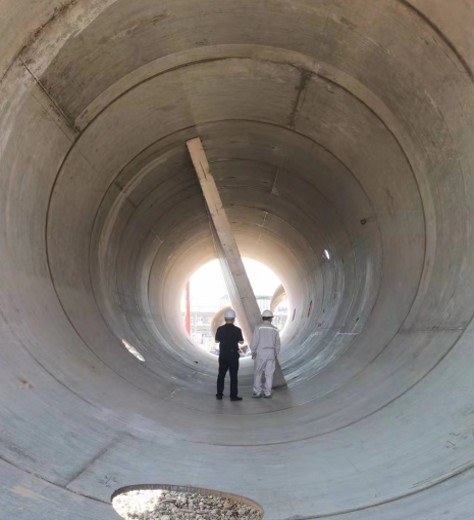
Internal view of a DWC shell showing the dividing wall
Inside a DWC shell, showing the internal dividing wall.

Technology Overview

One Column. Three Products. Lower Cost.

Distillation accounts for approximately 50% or more of total capital costs and energy consumption in the chemical and refining industries. The Dividing Wall Column (DWC) represents one of the most significant advances in distillation process design — an innovative solution that reduces both capital investment and energy required for multi-component separations.

Unlike conventional distillation, which requires two separate columns to separate a three-component mixture, a DWC contains a wall that divides a portion of the column into two sections — enabling the separation of three or more high-purity products from one single column, using one condenser and one reboiler.

The original patent concept dates to the 1930s. The first industrial application was in 1985 by BASF. AMT and Zehua have been at the leading edge of commercial DWC adoption, completing more than 150 commercial installations since the first successful start-up in 2014.

DWC vs. Conventional Two-Column Sequence

Conventional
2 columns
2 condensers
2 reboilers
2× plot area
Higher CAPEX
Higher energy
DWC Design
1 column
1 condenser
1 reboiler
Compact footprint
−25–35% CAPEX
−25–35% energy

Zehua/AMT Commercial DWC Portfolio

150+
Commercial
Installations
2014
First Successful
Start-up
110m
Max Column
Height

Proven Benefits

Why DWC Delivers Superior Economics

As a field-proven technology with more than 150 commercial applications, DWCs consistently deliver the following advantages over conventional two-column separation sequences.

25–35%

Lower Capital Cost

One column, one condenser, one reboiler, and one set of pumps and instruments replaces two of everything — directly reducing installed capital cost by 25–35%.

25–35%

Lower Energy Use

The thermodynamic efficiency of separating three components in a single column with a dividing wall is inherently superior to two sequential columns, reducing energy consumption by 25–35%.

Compact

Reduced Plot Area

A single column occupies a fraction of the plot area of two separate columns with their associated equipment — a significant advantage for plant revamps and space-constrained grassroots projects.

Reduced Thermal Degradation

Shorter residence time at elevated temperatures — particularly relevant for thermally sensitive products in pharmaceutical, fine chemical, and specialty chemical applications.

Revamp Capability

Existing columns can be revamped to DWC configuration to increase capacity, improve product purities and yields, or add a third product stream — without replacing the column shell.

Three Pure Products

Produce three (or more) high-purity product streams — light product from the top, intermediate product as a side draw, and heavy product from the bottom — from a single column.

Design Envelope

Zehua/AMT DWC Design Capabilities

Parameter Range / Capability Commercial Experience
Column Diameter<3 m up to 11.2 mFull diameter range proven in commercial operation
Column HeightDetermined by separation requirementUp to ~110 m
Operating PressureVacuum to moderate pressure0.5–4.0 bara
Column InternalsOptimized for each DWC serviceAMT ADV® trays and structured packing

Published Case Studies

Commercial DWC Installations by Zehua/AMT

The following two case studies were published in Hydrocarbon Engineering, January 2021, authored by Jason Lyu and Fred Tahmassi of AMT International and Tieyong Liu of Beijing Zehua Chemical Engineering Co. Ltd.

Chemical Plant · Intermediate Component Separation

Case Study 1: Intermediate Component Separation

An existing chemical plant production line used one column with 100 trays (2.6m diameter) to separate intermediate components, with chronic product quality issues — visible impurities in the main HR product — that could not be resolved even under higher top reflux. Heat exchangers were regularly blocked, causing unexpected shutdowns.

Zehua/AMT proposed a DWC design using a 3m diameter column with 10m of structured packing plus 59 trays. The new design processed the same 110 tph feed while eliminating the impurity problem entirely.

Parameter Old Line DWC Operation
HR in LP3,000 ppmTrace
LP in HR3,000 ppm400 ppm
HE in HR>500 ppm<100 ppm
Impurities in HRVisibleClear
Steam consumption0.17 tph/feed0.13 tph/feed
Key Outcome
−24% Energy · All Impurities Eliminated · 3 More DWCs Ordered
Petroleum Refining · BTX Separation

Case Study 2: BTX Separation with DWC

A refinery modified its reform unit and added an extraction unit to recover benzene, toluene, and xylenes (BTX) from reformate. The conventional process required two columns to separate BTX. Zehua/AMT designed a DWC with AMT ADV® high-performance trays — a 3.4m diameter column with 100 trays — producing four high-purity product streams from one column.

The column was successfully started up and all product purities came within specification from first operation.

Parameter 2-Column Design DWC Operation
Toluene in benzene<0.05 wt%0.01 wt%
Benzene in toluene<0.03 wt%Trace
C8A in toluene<0.05 wt%0.03 wt%
Toluene in C8A<0.2 wt%0.03 wt%
Steam consumption0.50 tph/feed0.37 tph/feed
Key Outcome
−26% Steam · All Products On-Spec · 2 Columns Replaced by 1

Application Range

Where DWC Delivers Value

DWC technology is applicable to any three-component (or more) separation where the intermediate boiling component is present at significant concentration and high purity is required. It can also be implemented in reactive, extractive, and azeotropic distillation processes.

  • Chemical plant intermediate component separation
  • BTX aromatic separation from reformate
  • Naphtha separation into three cuts
  • Light hydrocarbon fractionation
  • White oil separation into narrow fractions
  • Reformate separation
  • Low carbon alcohols separation
  • Reactive distillation applications
  • Extractive and azeotropic distillation

Engineering Considerations

Why DWC Requires Specialist Expertise

The DWC design is not merely a construction of a distillation column — it requires overall understanding of the separation process, system control, and operational experience. Several practical challenges must be addressed, which is why partnering with AMT and Zehua's proven team is essential.

  • Simulation models for DWCs must be developed in-house — not available in commercial software
  • Liquid and vapor distribution to both sides of the wall requires precise design
  • Column internals must provide equal hydraulic performance on both sides of the dividing wall
  • Process control is more sophisticated than conventional columns
  • Temperature differences across the wall must be managed to keep reboiler and condenser in range
Published Research · Hydrocarbon Engineering

"The Great Divide" — January 2021

Jason Lyu & Fred Tahmassi, AMT International Inc., USA

Tieyong Liu, Beijing Zehua Chemical Engineering Co. Ltd, China

Evaluates different applications for dividing wall columns with two commercial case studies demonstrating 24–26% energy reduction, complete elimination of product impurities, and full purity specification achievement from first startup.

Evaluating DWC for Your Separation?

AMT and Zehua have the process engineering expertise, in-house simulation capability, and commercial track record to evaluate, design, and deliver DWC solutions from feasibility study to successful startup.

Technical Publications
& Industry Research.

AMT International's engineers contribute actively to the hydrocarbon processing industry through peer-reviewed technical articles in leading industry publications — sharing research, operational data, and engineering insights with the broader engineering community.

Hydrocarbon Engineering

Published Articles & Conference Papers by AMT International

The following technical articles have been published in Hydrocarbon Engineering magazine — one of the HPI's most widely read technical publications, with a global readership of refinery engineers, petrochemical designers, and process technology specialists.

2010
May
Published In
Chemical
Engineering
ADV-DD® Downcomer Distributor Technology · Chementator Feature

"Distillation-tray downcomer design improves mass transfer efficiency"

Joint Development: AMT International, Inc. (Plano, TX) & Petronas (Kuala Lumpur, Malaysia) · Chementator section, page 17

Featured in Chemical Engineering's Chementator section following AMT's presentation at the AIChE Spring 2010 meeting. The article describes how AMT's Downcomer Distributor technology — developed through a joint research program with Petronas — eliminates stagnant and retrograde liquid flow patterns on distillation trays by creating directional flow within the downcomer itself. In testing, the technology consistently produced 5–10% greater tray efficiency compared to conventional downcomer configurations. Applied commercially at several Petronas plants beginning in 2008, achieving +24% efficiency in LPG columns and +29% in depropanizers.

ADV-DD® Technology Downcomer Design Tray Efficiency Petronas Gas Processing
Chemical Engineering ↗
2010
March — AIChE
Presented At
AIChE Spring
Meeting 2010
ADV-DD® Technology · Full Technical Paper

"An Innovation in Advanced Mass Transfer Technology: The Combination of a High Performance Tray and a Novel Downcomer Distributor for Optimal Performance"

Authors: Lindsey Vuong, Kuang Wu, Adam Lee (AMT International, Inc.); Zainab Bt. Kayat (Petronas Group Technology Solutions); Amy A. Yusof (Petronas Gas Berhad) · San Antonio, TX, March 24, 2010

Full technical paper presenting the theory, experimental validation, and commercial results of the AMT Downcomer Distributor technology. Includes dye injection flow pattern experiments in 1.2m and 5.2m diameter simulators, oxygen desorption tray efficiency measurements at multiple weir loadings, and complete before/after performance data from the Petronas GPP6 commercial application — LPG column tray efficiency 63%→77% (+24%) and Depropanizer 77%→97% (+29%), with C3 production increased by 2.3 MTon/hr and C4 by 4.2 MTon/hr.

Downcomer Distributor High Performance Trays Petronas GPP6 LPG Column Tray Efficiency
2013
September
Published In
Chemical
Engineering
AED-BTX® Process · Chementator Feature

"Successful implementation of a new extractive-distillation technology for aromatics recovery"

Co-authored with LG Chem, Ltd. · Edited by Gerald Ondrey · Chemical Engineering Chementator, September 2013, page 11

Reports the successful conversion of LG Chem's sulfolane liquid-liquid extraction (LLE) unit at Yeosu, Korea to AMT's AED-BTX® extractive distillation process. The converted unit achieved all revamp objectives: over 35% savings in energy, over 12% increase in production (limited by feedstock availability, not column capacity), on-specification raffinate, benzene and toluene purities and recoveries from first startup in April 2013. Capital return on investment expected in under 12 months. The conversion reused existing equipment, columns, and the original sulfolane solvent without modification.

AED-BTX® Process Extractive Distillation BTX Recovery LG Chem Energy Savings
Chemical Engineering ↗
2015
April — AIChE
Presented At
AIChE Spring
Meeting 2015
AED-BTX® Process · Full Technical Paper

"Advanced Aromatics Recovery Technology with AED-BTX Process"

Authors: Ciputra Jap, Jeffrey Chiu, Kuang Wu (AMT International, Inc.); Sung-Chul Yoo (LG Chem, Ltd., Yeosu, Korea); Tzong-Bin Lin, Jyh-Haur Hwang (CPC Corporation, Taipei, Taiwan) · Austin, TX, April 28, 2015

Comprehensive technical paper co-authored by AMT, LG Chem, and CPC Corporation presenting the full AED-BTX® Process history, development, commercial application, and financial results. Covers the joint R&D program begun in 2005, the CPC Corporation pilot demonstration in Taiwan (10,000 BPD pygas LLE to ED conversion), and the full LG Chem Yeosu commercial application with complete Performance Test Run data. Results: 35–38% steam savings (extended to 45–48% with slight relaxation of raffinate benzene spec), 11%+ throughput increase, benzene purity 99.95 wt%, toluene purity 99.45 wt%, sulfolane in products <1 ppm, payback period <6 months. 8 granted + 6 pending patents worldwide.

AED-BTX® Process LG Chem CPC Corporation Aromatics Recovery Extractive Distillation 8 Patents Granted
2021
January
Published In
Hydrocarbon
Engineering
Dividing Wall Column Technology

"The Great Divide"

Authors: Jason Lyu & Fred Tahmassi, AMT International Inc., USA · Tieyong Liu, Beijing Zehua Chemical Engineering Co. Ltd, China

This article evaluates different commercial applications for dividing wall column (DWC) technology — the energy-saving distillation technology that separates three or more components in a single column with 25–35% lower capital cost and 25–35% lower energy consumption than conventional two-column sequences. Two detailed commercial case studies are presented: intermediate component separation in a chemical plant achieving −24% energy consumption and complete elimination of product impurities, and BTX separation in a refinery achieving −26% steam consumption with all product purities meeting specification from first startup. Zehua/AMT had completed 19 commercial DWC installations by the time of publication.

Dividing Wall Column Energy Reduction BTX Separation Chemical Plant Commercial DWC
Hydrocarbon Engineering ↗
2019
Hydrocarbon Processing
Published In
Hydrocarbon
Engineering
ADV-TDD® Multi-Pass Tray Technology

2019 Technical Article

Authors: AMT International Inc. Engineering Team

AMT's 2019 publication in Hydrocarbon Engineering covers the ADV-TDD® (Truncated Downcomer Distributor) 3rd generation multi-pass tray technology and its application to large-diameter PDH unit C3 splitters. The article details how conventional 6-pass tray designs routinely fail to achieve design efficiency (40–65% actual vs. 90%+ design) due to uncontrolled liquid maldistribution and Vapor Cross Flow Channeling, and presents AMT's engineered solution. Contact AMT for full article access.

ADV-TDD® Technology Multi-Pass Trays PDH Units C3 Splitter Tray Efficiency

AMT Contributes to Industry Knowledge

AMT's engineers regularly present at industry conferences and contribute technical articles to leading publications. If you are an EPC contractor or plant owner interested in AMT's technical expertise, contact us to request copies of published articles or to discuss a technical presentation for your engineering team.

Trusted by the World's
Leading HPI Companies.

AMT International has supplied high-performance trays, tower internals, packing, and engineering services to refineries, petrochemical plants, and gas processing facilities operated by some of the world's largest energy and chemical companies — across six continents and in more than 10,000 commercial installations.

Client Portfolio

Major Clients & Industry Partners

AMT’s client base spans the full spectrum of the hydrocarbon processing industry — from national oil companies and global majors to specialty chemical producers and petrochemical plant operators, together with the engineering, procurement, and construction (EPC) firms that design and build their facilities — across Asia, the Middle East, Europe, and the Americas.

Asia Pacific

Sinopec, PetroChina, CNOOC, Formosa Plastics, CPC Corporation Taiwan, China Steel, CAPCO, PETRONAS, LG Chem — AMT's largest client concentration is across China, Taiwan, South Korea, and Southeast Asia.

Middle East & Europe

EQUATE (Kuwait), CEPSA (Spain), Petronor (Spain/Repsol), BASF (Germany) — AMT has a strong presence in both the Middle Eastern petrochemical and European refining sectors.

North America & Global

BP, NOVA Chemicals, Indorama Ventures, CHS — global majors and leading North American chemical producers have relied on AMT's products for both new builds and revamp projects.

Why Leading Companies Choose AMT

Repeat Business Is Our Strongest Endorsement

Many of AMT's clients have returned for multiple projects — a testament to the reliability and performance of our products and the depth of our engineering support. When a refinery manager or plant engineer needs to be certain their column will perform as designed from the first day of operation, they call AMT.

10,000+
Commercial Columns
6
Continents Served
27+
Years of Delivery
149
Patents Held

Join Our Global Client Base

Whether you are specifying equipment for a grassroots project or planning a revamp to restore or increase column performance, AMT's engineering team is ready to support your project.

ADV-DD® — The Downcomer
Distributor Technology.

Developed through a joint research program between AMT International and Petronas, the ADV-DD® Downcomer Distributor eliminates the stagnant and retrograde liquid flow patterns that reduce tray efficiency on conventional distillation trays — delivering 5–10% greater tray efficiency with no increase in pressure drop. Presented at AIChE 2010 and featured in Chemical Engineering magazine, May 2010.

The Problem

Why Conventional Downcomers Underperform

It is well established that on typical distillation trays there is considerable deviation from the ideal liquid flow pattern — caused by the recycling of liquid on the tray (retrograde or back-flow) or by the existence of stagnant regions of liquid. These effects have been studied extensively since the 1970s and consistently identified as a primary cause of reduced mass transfer efficiency.

Conventional segmental and multichordal downcomer bottom configurations fail to control where the liquid goes as it exits the downcomer — leading to high-velocity centerline flow, retrograde flow back along the column walls, and stagnant zones near the column shell. These stagnant zones reduce mass transfer and, in dirty services, accelerate fouling.

Prior attempts to address this — vapor directional devices, directional baffles — offered limited success particularly at high liquid rates, which is exactly where the problem is most severe.

The AMT Solution

The Downcomer Distributor (DD)

AMT took a fundamentally different approach — designing a Downcomer Distributor that actively controls liquid distribution within the downcomer itself and as the liquid exits. By installing uniquely arranged, slanted, and triangular-shaped discharge ports inside the side downcomer, liquid is distributed into pre-determined proportions that initiate and maintain a uniform plug-flow pattern across the full tray deck.

DD vs. Conventional Downcomers

Segmental DC
Multichordal DC
DD (AMT)
High centerline velocity
Converging center effect
Uniform plug-flow
Severe retrograde flow
Moderate retrograde
No retrograde flow
Stagnant zones present
Stagnant zones eliminated

Experimental Validation

Tested at 1.2m and 5.2m Diameter — Ranked #1 at Every Condition

AMT conducted extensive flow pattern and tray efficiency testing in 1.2m and 5.2m diameter simulators using colored dye injection and oxygen desorption efficiency measurements. The Downcomer Distributor ranked first in flow pattern quality and tray efficiency at every liquid rate tested.

5–10%

Greater Tray Efficiency

Consistently higher than conventional segmental and multichordal downcomers under normal tray operating conditions — at all weir loadings tested (4, 6, and 8 gpm per inch).

Ranked #1

All Flow Rates Tested

Across 120, 180, and 240 gpm tests in the 1.2m simulator, the DD ranked first for liquid flow pattern quality at every condition — water only and air/water systems.

Equal ΔP

No Pressure Drop Penalty

Segmental DC, multichordal DC, and Downcomer Distributor all exhibited very similar pressure drop characteristics — efficiency gains come at zero pressure drop cost.

Commercial Case Study · Gas Processing

Petronas GPP6 — LPG & Depropanizer Column Revamp

The first commercial application of ADV-DD® technology was the debottleneck of the fractionation unit at Petronas' GPP6 Gas Processing Plant in June 2008. AMT designed and installed ADV® high-performance trays with Downcomer Distributors in both the LPG Column and Depropanizer (DeC3) Column.

LPG Column Performance

MetricBeforeAfter
Tray Efficiency63%77% (+24%)
Energy Consumption100%77% (−23%)
Condensate RVP12.3 psia10.9 psia
C4 in Condensate4.94 mol%2.50 mol%

Depropanizer (DeC3) Column Performance

MetricBeforeAfter
Tray Efficiency77%97% (+29%)
Energy Consumption100%86% (−14%)
C3 Purity98.29 mol%99.20 mol%
C4 in C3 Product1.40 mol%0.18 mol%
+24%
LPG Tray Efficiency
+29%
DeC3 Tray Efficiency
+2.3
MTon/hr C3 Production
+4.2
MTon/hr C4 Production
Published Research

Chemical Engineering Magazine — May 2010 & AIChE Spring Meeting 2010

Chemical Engineering (May 2010): "Distillation-tray downcomer design improves mass transfer efficiency" — Chementator feature on AMT/Petronas joint development
AIChE 2010: "An Innovation in Advanced Mass Transfer Technology: The Combination of a High Performance Tray and a Novel Downcomer Distributor" — Lindsey Vuong, Kuang Wu, Adam Lee (AMT); Zainab Bt. Kayat, Amy A. Yusof (Petronas)

Improve Your Column Efficiency with ADV-DD®

AMT's engineering team can assess your column and recommend whether ADV-DD® Downcomer Distributor technology is applicable to your service — new design or revamp.

AED-BTX® — Advanced
Extractive Distillation
for Aromatics Recovery.

Jointly developed by AMT International and CPC Corporation, the AED-BTX® Process is a patented extractive distillation technology for BTX aromatics recovery that delivers over 35% energy savings compared to conventional liquid-liquid extraction — with a payback period of less than six months. Featured in Chemical Engineering (September 2013) and presented at AIChE 2015.

Technology Overview

From LLE to Extractive Distillation — A Proven Conversion

For over 40 years, the petrochemical industry relied on Liquid-Liquid Extraction (LLE) using sulfolane or polyalkylene glycol for aromatics recovery. LLE requires four separation columns with two sets of condensers, reboilers, pumps, and instruments — a capital-intensive and energy-intensive process.

Extractive Distillation (ED) was known to be inherently more efficient — requiring only two columns — but lack of expertise in two-liquid phase distillation and reliable ED process simulation had limited its commercial use. AMT and CPC Corporation addressed every one of these technical barriers through a joint R&D program begun in 2005.

The result is the patented AED-BTX® Process — a commercially proven ED technology that recovers BTX aromatics from full-range (C6–C8) reformate, pygas, or coke oven oil feedstocks using standard Sulfolane as the extractive solvent with no special additives required.

LLE vs. AED-BTX® Process

Conventional LLE
4 separation columns
2 condensers
2 reboilers
Water wash column
Higher energy
Anti-foam agent required
AED-BTX® Process
2 columns
Existing equipment reused
Original Sulfolane reused
No water wash needed
−35% energy
No anti-foam required

Patent Portfolio: AMT and CPC Corporation's joint R&D has resulted in 8 granted and 6 pending patents worldwide covering the AED-BTX® Process and its component technologies.

Technology Advantages

Four Proven Advantages of AED-BTX®

1. Standard Sulfolane — No Special Solvent

AED-BTX® uses the original Sulfolane as the extractive distillation solvent — no proprietary solvent or additives required. Sulfolane's excellent selectivity, thermal stability, availability, and low cost apply equally to the ED process. Existing solvent inventory can be reused directly.

2. Effective Three-Phase (L+L+V) Fractionation

AMT's proprietary process and mass transfer equipment design enables effective three-phase fractionation in the ED column — achieving optimized vapor-liquid-liquid contact that reduces solvent circulation rate and energy consumption simultaneously.

3. Heavy Hydrocarbon Control in Lean Solvent

A proprietary process scheme and equipment design controls heavy hydrocarbon accumulation in the lean solvent — a critical issue that limited earlier ED implementations. This maintains optimum solvent performance and extends run times.

4. Full-Range Feedstock Capability

Effective BTX recovery directly from full-range (C6–C8) reformate or pygas feedstock — without pre-cutting C8+ components. Applicable to benzene-only, benzene/toluene, and full BTX (C6–C8) aromatics recovery applications.

Commercial Case Study · Petrochemical · BTX Recovery

LG Chem — Yeosu, Korea (2013)

After the initial demonstration of AED-BTX® at CPC Corporation's 10,000 BPD commercial plant in Taiwan, AMT converted LG Chem's existing LLE unit in Yeosu, Korea to the AED-BTX® Process in 2013. The Performance Test Run was conducted in June 2013 and met and exceeded all revamp objectives.

LG Chem Yeosu — Project Background

LG Chem's BTX Extraction unit had been progressively expanded over 20 years through successive revamps — reaching 185% of original design by 2007 using AMT's ADE high-performance trays. The 2013 AED-BTX® conversion targeted further throughput increase and major energy savings.

208%
of Original Design
<6mo
Payback Period

Performance Test Results (June 2013)

ParameterSpecAchieved
Benzene purity99.9 wt%~99.95 wt%
Toluene purity99.4 wt%~99.45 wt%
Sulfolane in products<1 ppm<1 ppm
Steam savings vs. LLE>25%35–48%
Throughput increase>13%~11%*
*Limited by feedstock availability — not column capacity

Financial Benefits — Minimum Capital, Maximum Returns

Existing Sulfolane Reused
Saved US$1–2M+ solvent cost
Existing Equipment Reused
Reboiler, condensers, pumps, piping
Anti-foam Eliminated
Ongoing operating cost reduction
<6 Months
Return on Investment
Published Research — Two Peer-Reviewed Articles

Chemical Engineering (Sept 2013) & AIChE Spring Meeting (2015)

Chemical Engineering, September 2013: "Successful implementation of a new extractive-distillation technology for aromatics recovery" — co-authored with LG Chem, edited by Gerald Ondrey
AIChE Spring Meeting, April 2015: "Advanced Aromatics Recovery Technology with AED-BTX Process" — co-authored by Ciputra Jap, Jeffrey Chiu, Kuang Wu (AMT); Sung-Chul Yoo (LG Chem); Tzong-Bin Lin, Jyh-Haur Hwang (CPC Corporation)

Have an LLE Unit to Convert?

AMT's engineering team can evaluate your existing LLE unit and prepare a feasibility assessment for AED-BTX® conversion — with energy savings, capital cost, and payback period estimates specific to your plant conditions.

Separator Internals —
Engineered for Every
Separation Duty.

AMT designs and supplies a complete range of separator internals for two-phase and three-phase separation service across the refining, gas processing, and petrochemical industries. We design from process data, supply under our own branded product line, and provide direct replacements from existing drawings.

AMT Mist Eliminator Mesh Pad — Separator Internals

How AMT Supplies Separator Internals

Design, Supply & Replacement

AMT's separator internals capability covers the full project lifecycle — from new design based on client process data through to direct replacement of existing equipment.

Design from Process Data

Provide AMT with your process conditions — flow rates, operating pressure, temperature, fluid properties, and separation requirements — and our engineers will select and size the optimal separator internal combination for your service.

Own-Brand Product Supply

AMT supplies separator internals under our own product line — including the MPV Vane Pack, Z-Pack De-Entraining Device, Agglomeration Device, and AMT Mist Eliminators — engineered and fabricated to our quality standards.

Replacement Supply

AMT can supply direct replacement separator internals based on existing drawings or dimensions — ideal for turnaround projects where like-for-like replacement with a reliable supplier is the priority.

AMT Separator Internals Portfolio

The Complete Product Range

AMT's separator internals product line covers every stage of the separation process — from primary feed distribution and initial gas-liquid separation through to fine mist elimination and liquid-liquid coalescence. Multiple products can be combined for fully optimized multi-stage separation performance.

Primary Separation · Feed Inlet Device

Feed Distributor

Inlet vane diffuser

The Feed Distributor is the first internal a mixed-phase feed encounters inside a separator vessel. It performs the initial and most critical task — dissipating the high inlet momentum of the incoming stream, initiating the primary separation of gas from liquid, and distributing the flow uniformly across the vessel cross-section for effective downstream separation.
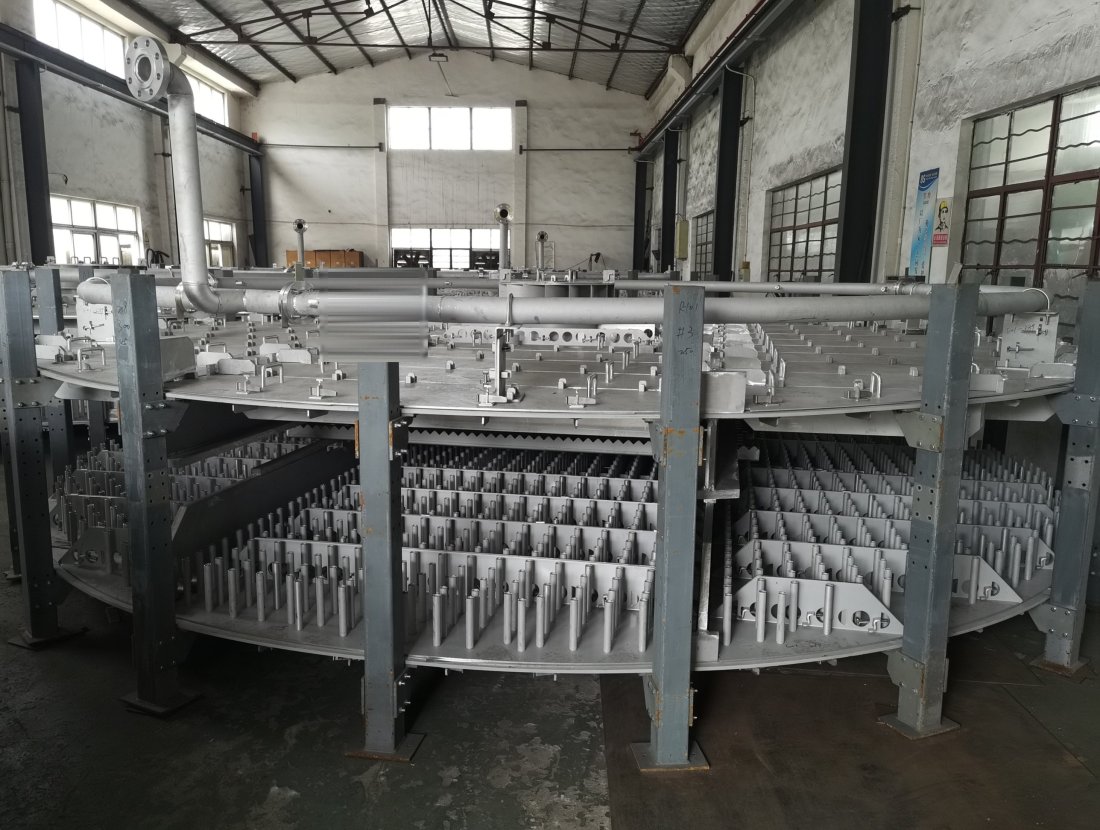
AMT's feed distributor uses a vane geometry that redirects the incoming two-phase or three-phase stream, causes the heavy liquid phase to drop out by gravity and centrifugal action, and allows the gas phase to distribute uniformly into the separation space above. This primary separation step significantly reduces the liquid loading on downstream mist elimination internals.

Key Features & Applications

  • Suitable for 2-phase and 3-phase separators
  • Handles high inlet momentum and high gas flow rates
  • Uniform gas distribution across vessel cross-section
  • Protects downstream mist eliminators from liquid overload
  • Gas processing, refinery scrubbers, production separators
  • Designed from process data or supplied as direct replacement
Cyclonic Separation · High-Efficiency Gas-Liquid

Swirl Tubes

Swirl tubes use centrifugal force to achieve high-efficiency gas-liquid separation in a compact footprint. The incoming gas-liquid stream passes through a set of fixed swirl vanes that impart a spinning motion to the flow — the heavier liquid phase is thrown outward to the tube wall by centrifugal force, where it drains downward and out through the liquid outlet, while the cleaned gas exits through the top.

AMT supplies swirl tubes in banks of multiple tubes for high gas throughput applications. They are effective in both vertical and horizontal separators and are particularly suited to compressor suction scrubbers, inlet separators, and gas processing applications where high liquid loading and compact vessel size are both requirements.

Key Features & Applications

  • Centrifugal separation — no gravity dependence
  • High throughput in compact vessel diameter
  • Effective under high liquid loading conditions
  • Multi-tube bank configurations for large vessels
  • Compressor suction scrubbers, inlet separators, gas processing
AMT Product · TB #404 · High-Capacity Mist Elimination

MPV Vane Pack

The AMT MPV Vane Pack is a high-capacity mist eliminator assembly designed specifically for horizontal or vertical gas flow in separators. The vanes are assembled in custom-designed frames with pre-determined vane spacing and gas-sealed liquid pockets on both sides of the vanes — preventing re-entrainment of captured liquid by high-velocity vapor.

Gas passes between vanes with strategically arranged openings. Droplets are separated from the gas stream by inertial forces and captured into an enclosed liquid pool, effectively eliminating re-entrainment even at high gas velocities. The MPV Vane Pack may be combined with other AMT separator internals for fully optimized multi-stage separation.
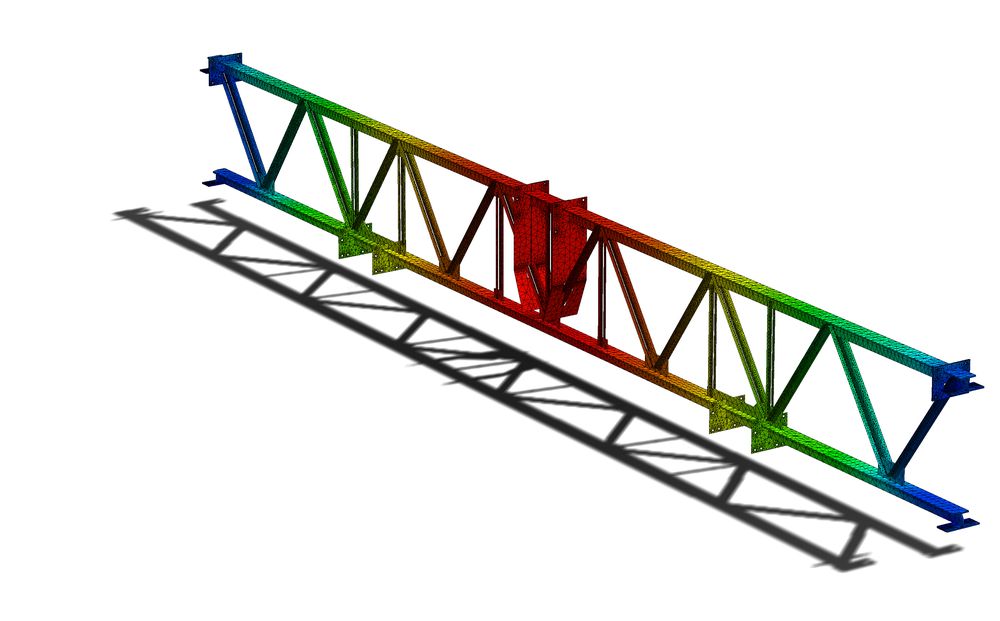
Performance Specifications

Separation efficiency
99.9%
Minimum droplet size
10 micron diameter
Vertical gas flow (K factor)
Up to 0.65 ft/s (0.20 m/s)
Horizontal gas flow (K factor)
Up to 1.00 ft/s (0.30 m/s)
Flow orientation
Horizontal or vertical
Anti-re-entrainment gas-sealed liquid pockets on both sides of vanes
AMT Product · TB #402 · Two-Stage Vane Mist Elimination

Z-Pack De-Entraining Device

The AMT Z-Pack De-Entraining Device is a vane-type mist eliminator designed specifically for horizontal or vertical gas flow. The vanes are assembled in custom-designed frames with the design vane spacing, gas seals, and drain arrangement for the specified process requirements.

The gas passes between parallel sinusoidal vanes fitted with strategically arranged hooks, separating droplets in two distinct stages. Coarse droplets and suspended solid particles are captured at the first hook, while smaller droplets are captured at the second hook after acceleration through the venturi throat created by the first hook housing. The captured liquid drains down the hooks into the bottom liquid pool. The Z-Pack may be combined with other AMT separator internals for multi-stage separation systems.

Performance Specifications

Separation efficiency
99.9%
Minimum droplet size
20 micron diameter
Pressure drop
Very low — designable for further reduction
Flow orientation
Horizontal or vertical
Separation stages
2 (dual-hook venturi design)
Optimal C-factor range: 0.04–0.26 m/s (horizontal) · 0.04–0.17 m/s (vertical)
AMT Product · TB #403 · Pre-Conditioning Device

Agglomeration Device

The AMT Agglomeration Device is a 4–6 inch (100–150 mm) thick uniform wire mesh pad with a high free volume and large surface area for liquid contact. Unlike conventional mesh pads used for direct mist elimination, the Agglomeration Device is specially designed to operate at higher vapor loadings — conditions that would cause a conventional mesh pad to flood.

At these higher loadings, a clearly defined liquid reservoir develops within the mesh and fine droplets coalesce into larger droplets. These larger droplets are then re-entrained into the gas stream and carried to a downstream high-performance mist eliminator — such as the AMT MPV Vane Pack or Z-Pack — for final and complete removal. This staged approach achieves superior overall separation performance compared to any single-stage device.

The Agglomeration Device is cost-effective and easily installed in new and existing vessels. It is always recommended to be used upstream of and in conjunction with a high-performance separator internal.

Key Characteristics

Thickness
4–6 inches (100–150 mm)
Function
Droplet coalescence pre-conditioner
Pressure drop
Typically low
Position in system
Upstream of MPV Vane Pack or Z-Pack
Always used in combination with a downstream high-performance mist elimination device
AMT Product · TB #405 · Wire Mesh & Plastic Mist Elimination

AMT Mist Eliminators

AMT Mist Eliminators are porous mesh pads composed of knitted wire or plastic filament in crimped stacks, bound by a frame. They provide a high free volume and a large liquid impingement surface for the removal of fine particle size mists from gas streams. Pads are typically 4–6 inches (100–150 mm) thick and can be designed and installed in two-phase separators, three-phase separators, and distillation columns.

AMT offers a comprehensive range of mist eliminator types — from ultra-high efficiency fog coalescers for the most demanding fine mist applications through to economy high-throughput designs for standard service. Anti-fouling configurations are available for services prone to solid deposition.
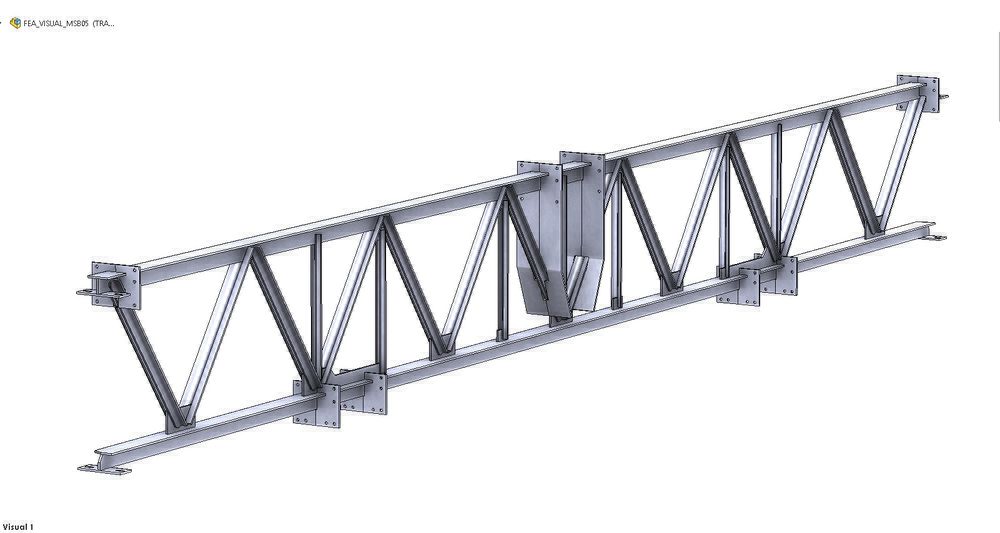
Contact AMT's engineering team with your process conditions and we will recommend the optimal mist eliminator type and configuration for your specific service.

Product Range Overview

Ultra High Efficiency — Fog Coalescer
For sub-micron and fine fog droplet removal. Highest surface area density. Metal wire construction.
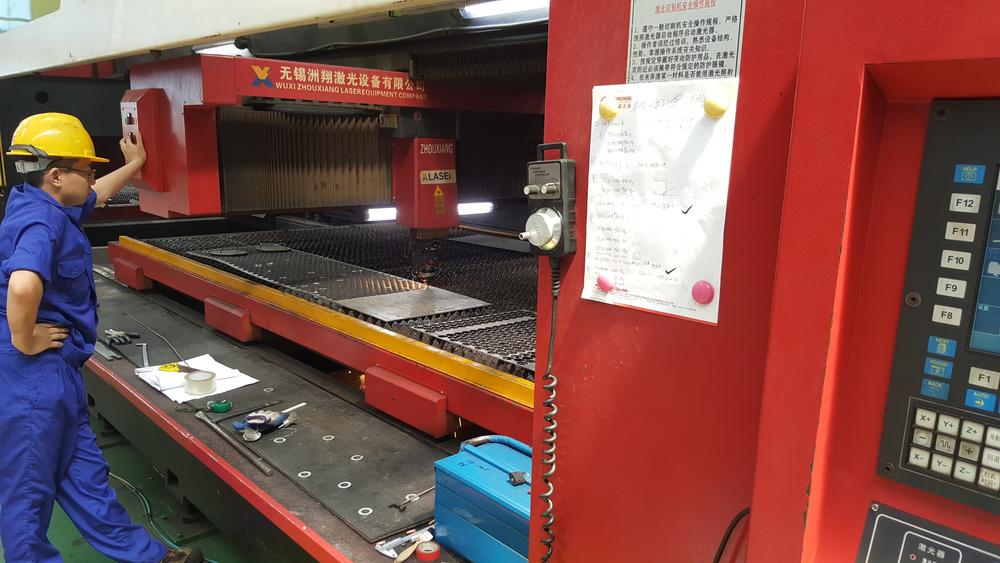
High Efficiency — Heavy Duty & Anti-Fouling
For demanding services requiring high separation efficiency combined with fouling resistance. Standard workhorse of the range.
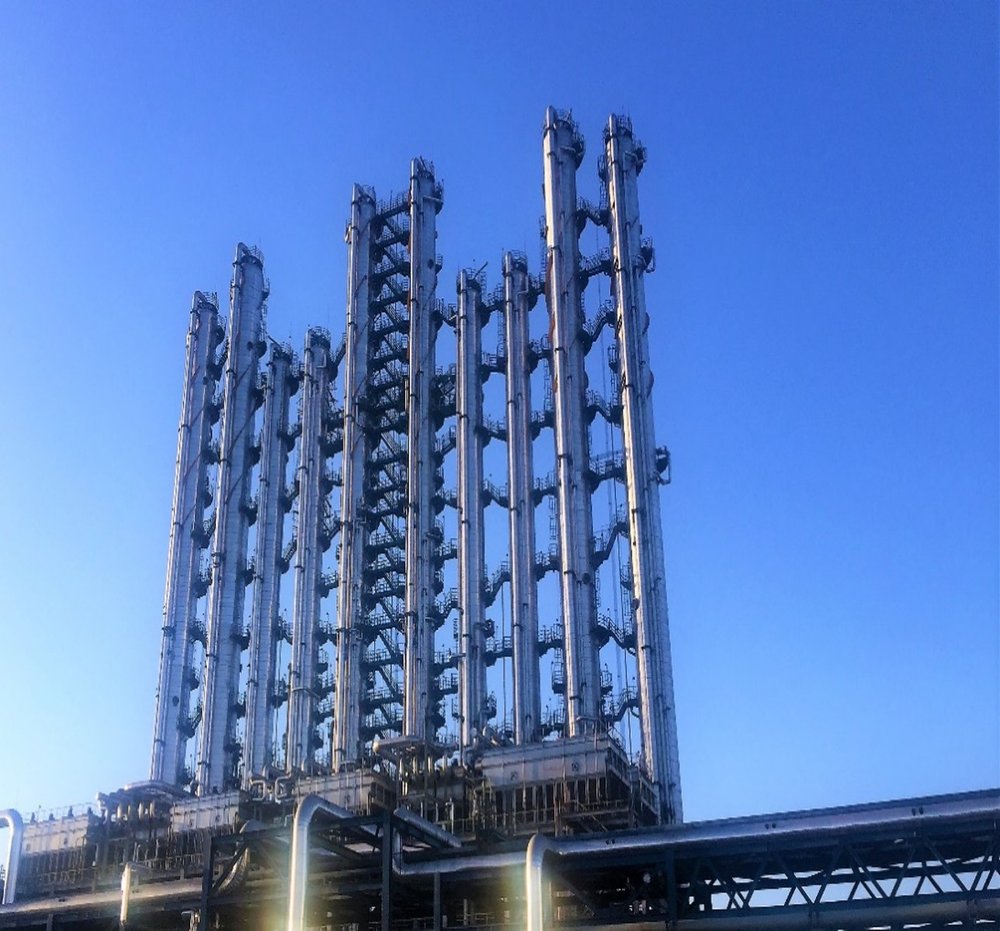
Standard & Economy — High Throughput
For general service mist elimination where throughput capacity is the primary design driver.
Plastic Construction — Teflon, Kynar, Polypropylene
For corrosive services where metallic wire is unsuitable. Available in multiple plastic materials.
Liquid-Liquid Coalescer
Specialised configuration for liquid-liquid coalescence and phase separation applications.

Note: Contact AMT with your process conditions for product selection and sizing. Specific product codes and nomenclature are provided upon request to qualified enquiries.

Selection Guide

Matching Internals to Your Separation Duty

AMT's separator internals are designed to work together as a system. The table below shows typical combinations for common separator services — contact our engineers for a complete design recommendation for your specific conditions.

Separator Service Recommended Internals Notes
2-Phase Gas-Liquid Separator Feed Distributor + Agglomeration Device + MPV Vane Pack or Z-Pack Standard multi-stage combination for gas-liquid separation
3-Phase Gas-Oil-Water Separator Feed Distributor + Plate Pack + Mist Eliminator Feed distributor handles initial separation; plate pack improves liquid-liquid interface
Compressor Suction Scrubber Swirl Tubes + MPV Vane Pack or Z-Pack High efficiency required to protect compressor from liquid carryover
Inlet Separator / Slug Catcher Feed Distributor + Swirl Tubes + Mist Eliminator High inlet momentum dissipation critical; slug handling capability required
High Liquid Loading Service Agglomeration Device + MPV Vane Pack Agglomeration device handles liquid overload; MPV Vane Pack provides final cleanup
Corrosive / Specialty Service Plastic Mist Eliminator (Teflon, Kynar, or Polypropylene) Select material based on process fluid compatibility

Need Separator Internals Designed or Supplied?

Contact AMT with your process conditions, vessel dimensions, and separation requirements — our engineering team will recommend the optimal internal combination and provide a prompt quotation.